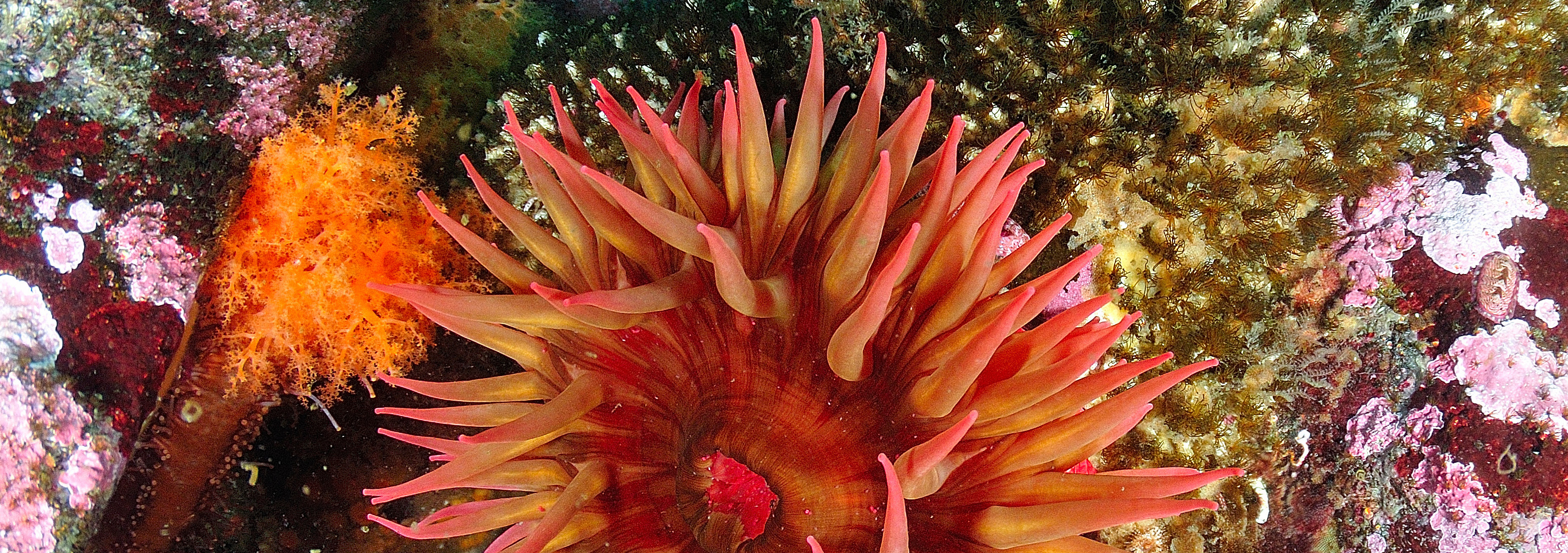

The Salish Sea Science Roundtable online speaker series continues on Tuesday, April 14 from 12:30 – 1:30 pm. Join Gary Shigenaka and Alan Mearns (NOAA, retired) to explore more than three decades of shoreline photo-monitoring after the Exxon Valdez oil spill. Using standardized photo points and percent-cover estimates, they track multi-decade changes in foundational intertidal species […]
February 19, 2026

March 10 roundtable digs into the impacts of commercial anchoring in British Columbia
The Salish Sea Science Roundtable online speaker series continues on Tuesday, March 10 from 12:30 – 1:30 pm. Anchoring of commercial vessels can have a range of social, cultural, ecological, and physical impacts in coastal marine systems. Using a combination of spatial data, field observations, and vessel activity records, Dr. Fiona Francis (Fisheries and Oceans Canada; […]
January 12, 2026
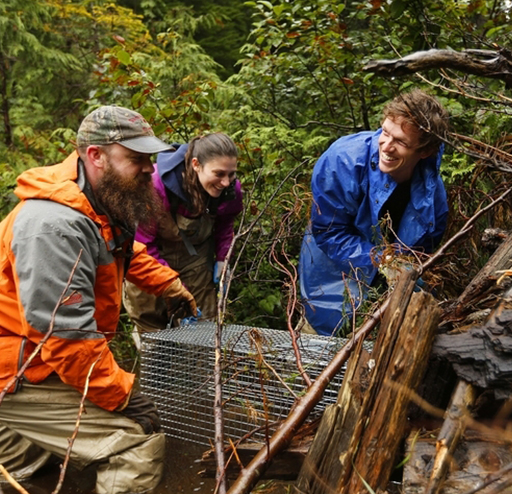
February 10 roundtable explores beavers as partners in restoration: A look inside the Tulalip Beaver Project
The Salish Sea Science Roundtable online speaker series continues on Tuesday, February 10 from 12:30 – 1:30 pm. Twelve years ago, the Tulalip Beaver Project started with a bold idea: maybe we can partner with beavers — nature’s original engineers — to help restore salmon habitat. Today, the project is known across the country for showing […]
November 7, 2025
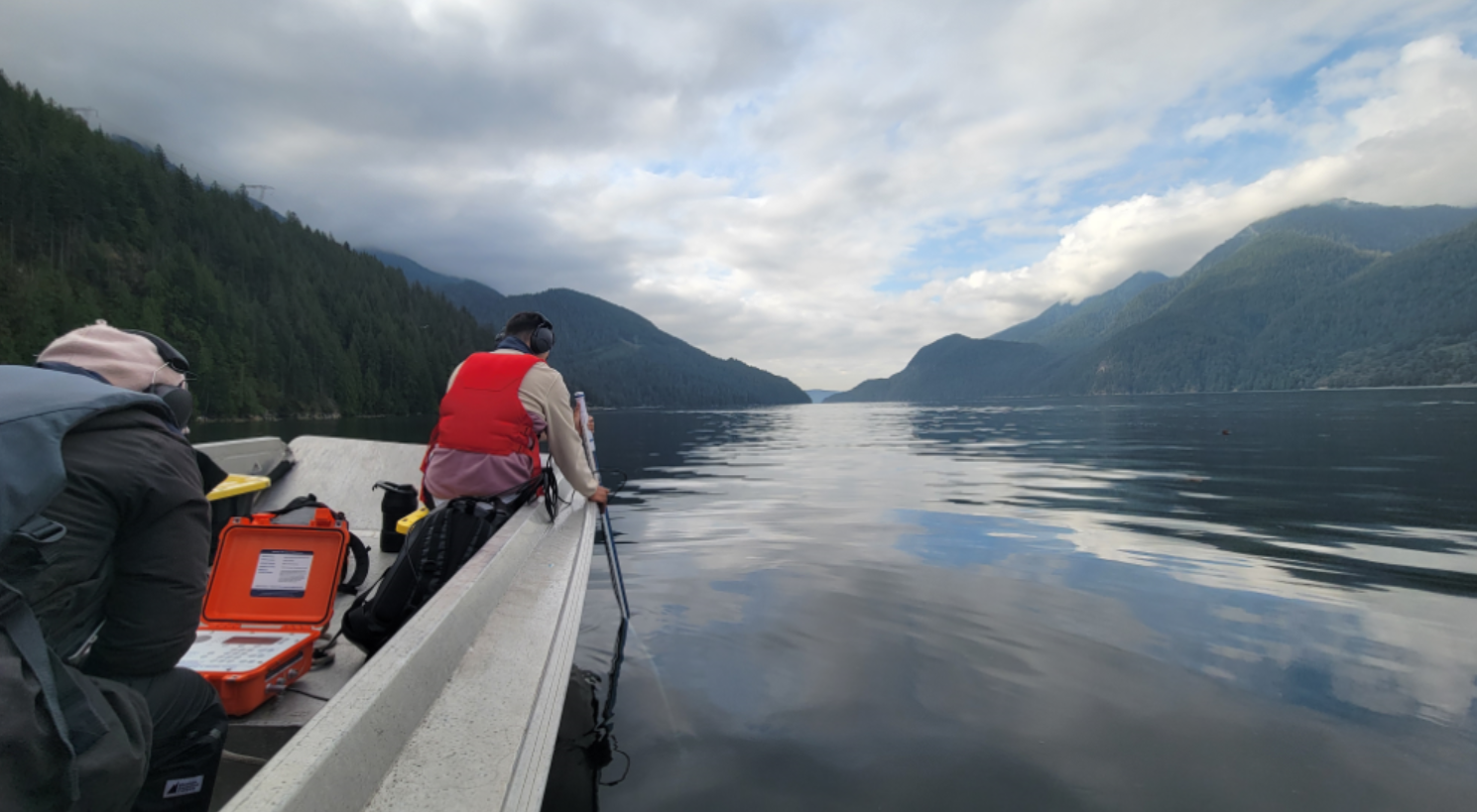
December 2 roundtable shares the səlilwətaɬ / Tsleil-Waututh Nation and Fisheries & Oceans Canada collaborations in Burrard Inlet
The Salish Sea Science Roundtable online speaker series continues on Tuesday, December 2 from 12:30 – 1:30 pm. Signed in 2021, the Burrard Inlet Environmental Science and Stewardship Agreement (BIESSA) is a Nation-to-Nation Reconciliation agreement between Canada and səlilwətaɬ (Tsleil-Waututh Nation; TWN) aiming to strengthen coordination and collaboration of science and stewardship activities in Burrard Inlet, […]
September 16, 2025

October 7 roundtable about THORR, which maps river temperatures from space
The Salish Sea Science Roundtable online speaker series continues on Tuesday, October 7 from 12:30 – 1:30 pm. The University of Washington’s Thermal History of Regulated Rivers (THORR) tool transforms NASA’s Landsat satellite imagery into current and historical river temperature insights. Learn how advanced data-driven techniques enable accessible mapping of water temperatures across remote streams—vital for […]
August 6, 2025
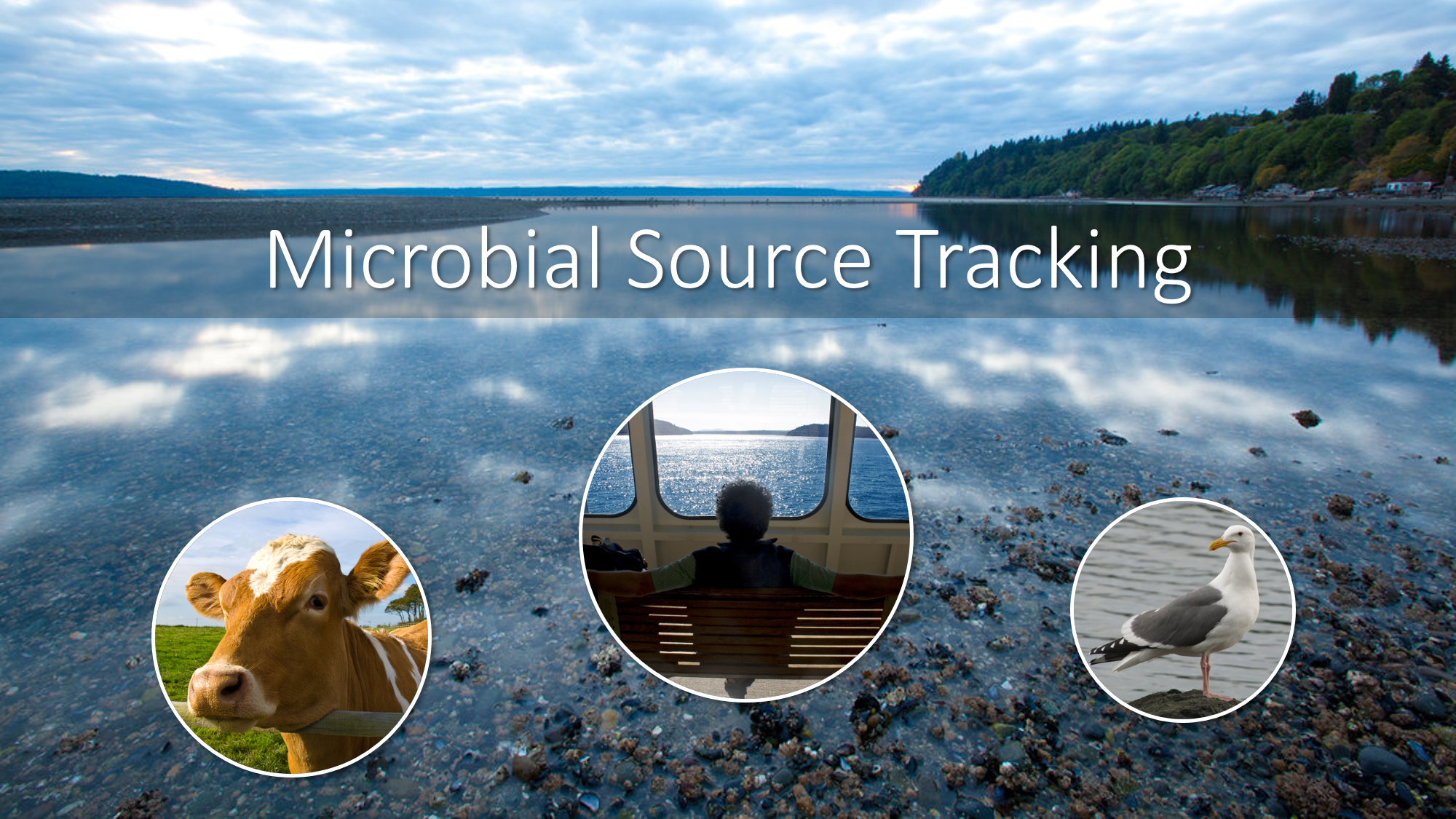
Microbial source tracking for Puget Sound
Friday, September 12 | 9:30 am – 12:30 pm PT on Zoom Co-hosted with the Shellfish SIL Effective microbial source tracking is critical for safeguarding public health, restoring shellfish beds, and targeting pollution prevention efforts. Join leading researchers and fellow practitioners to explore emerging tools, regional efforts, and practical guidance to track and reduce fecal […]
August 6, 2025
August 15: Temperature-dependent oxygen supply and demand — a pilot on marine life vulnerability in Puget Sound
Friday, August 15 from 11 am – 1 pm We’re excited to continue the Science of Puget Sound Water Quality workshop series, which explores emerging science and insights to help protect water quality in Puget Sound. Not only does warmer water hold less oxygen, but it simultaneously increases how much oxygen marine species need, so […]
July 3, 2025

August 4: Kelp & eelgrass risk assessment results workshop
Monday, August 4 from 1:00 – 2:30 pm PT UW Puget Sound Institute and the Washington Department of Fish & Wildlife are leading a spatially explicit risk assessment of the current and future threats to eelgrass and floating kelp habitats in Puget Sound that can be used to evaluate the distribution of burdens associated with […]
June 6, 2025

July 8 roundtable will dig into assessing effects of multiple climate change stressors on marine invertebrates and developing mitigation techniques to minimize impacts
Co-hosted with Fisheries and Oceans Canada (DFO) Climate change is leading to increasingly warmer oceans that are also more acidic, less oxygenated, and with lower salinity (among other changes). The resultant impacts on marine organisms will depend on the rate, level, and variability of change of individual stressors and how effectively the animals can deal […]
May 8, 2025

June 3 roundtable will explore innovation in ecotoxicology: integrating next-generation chemical and biological tools
Co-hosted with the University of Saskatchewan The Salish Sea Science Roundtable online speaker series continues on Tuesday, June 3 from 12:30 – 1:30 pm. Dr. Markus Brinkmann will explore advanced methods in ecotoxicology, specifically high-resolution mass spectrometry (HRMS) and integrated chemical and biological analyses. He will demonstrate how HRMS technology helps scientists characterize the diversity of […]