A recent field trip to a Puget Sound wastewater treatment plant reveals that what happens after the flush is more fascinating — and more important — than most of us realize. Take a virtual tour through photos we took shared here.
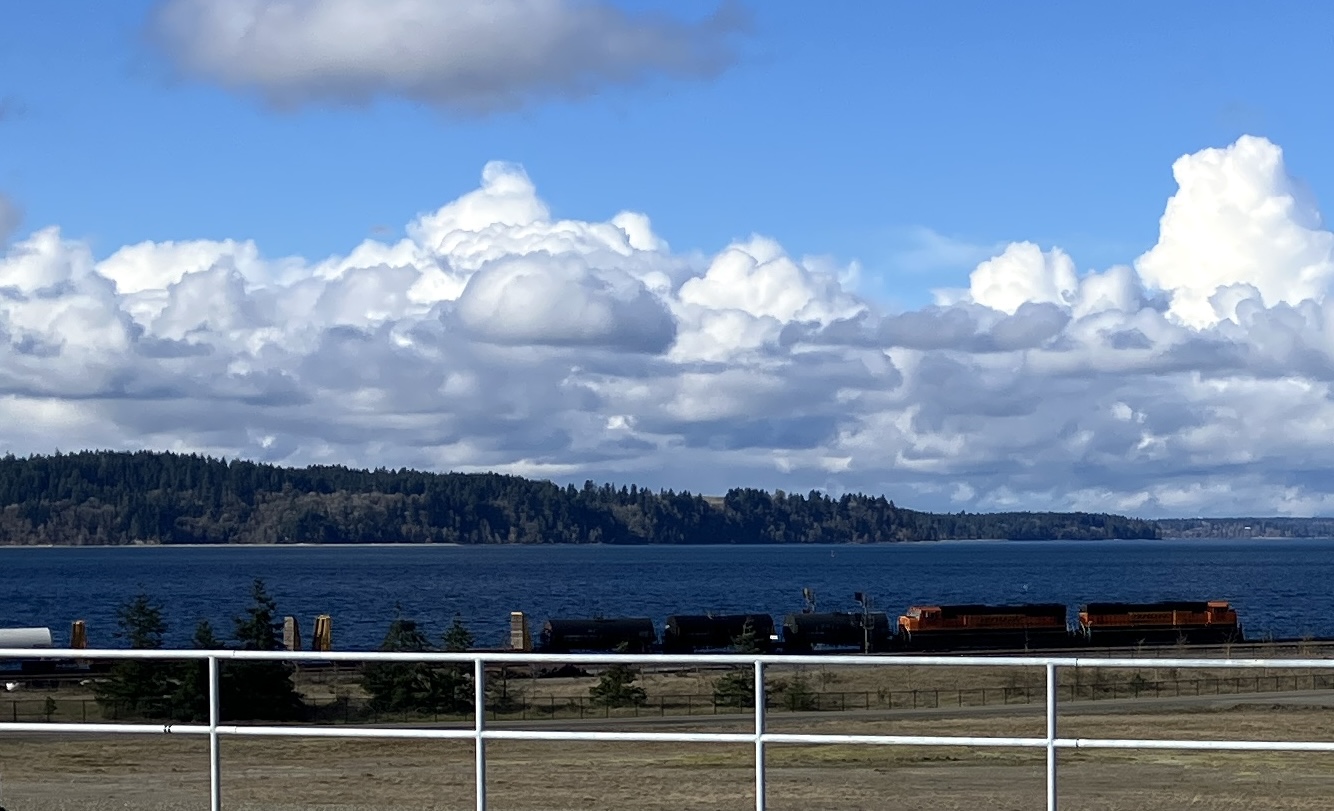
Tucked along the shoreline of Commencement Bay, the Chambers Creek Wastewater Treatment Plant is one of dozens of wastewater treatment plants that discharge directly into Puget Sound. It serves more than 320,000 people — roughly a third of Pierce County’s population — in an area that includes Tacoma, Lakewood, University Place, and surrounding communities, processing up to 45.3 million gallons of wastewater daily. Hiding in plain sight against one of the most scenic backdrops in the region, it is typical of facilities most of us never think about.
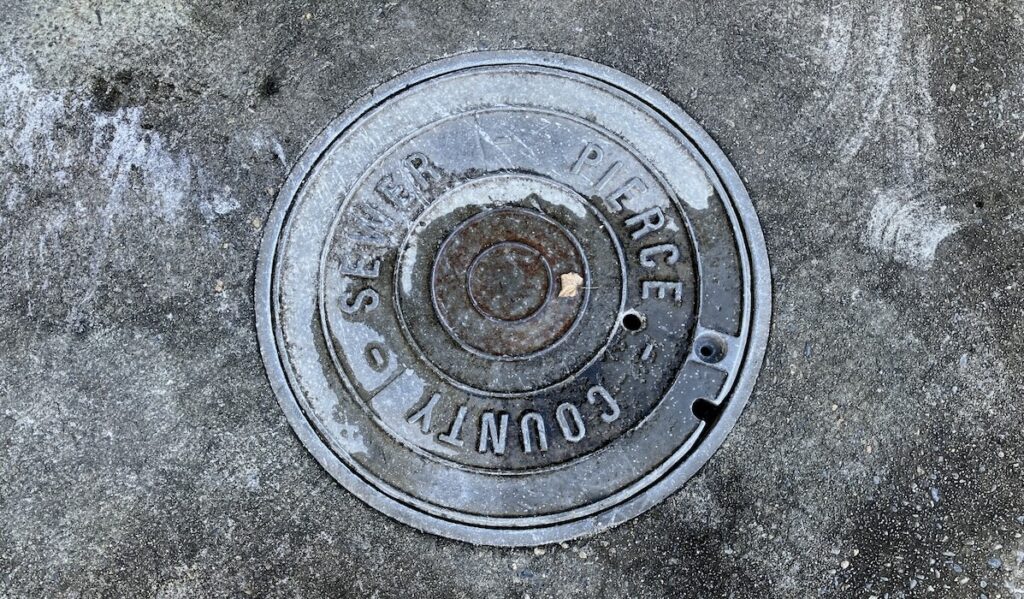
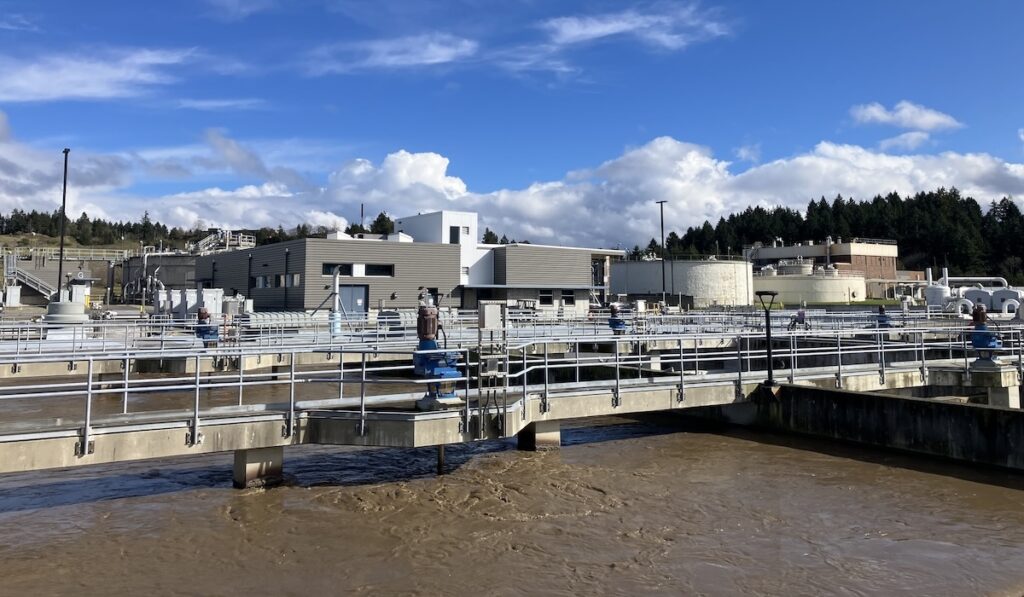
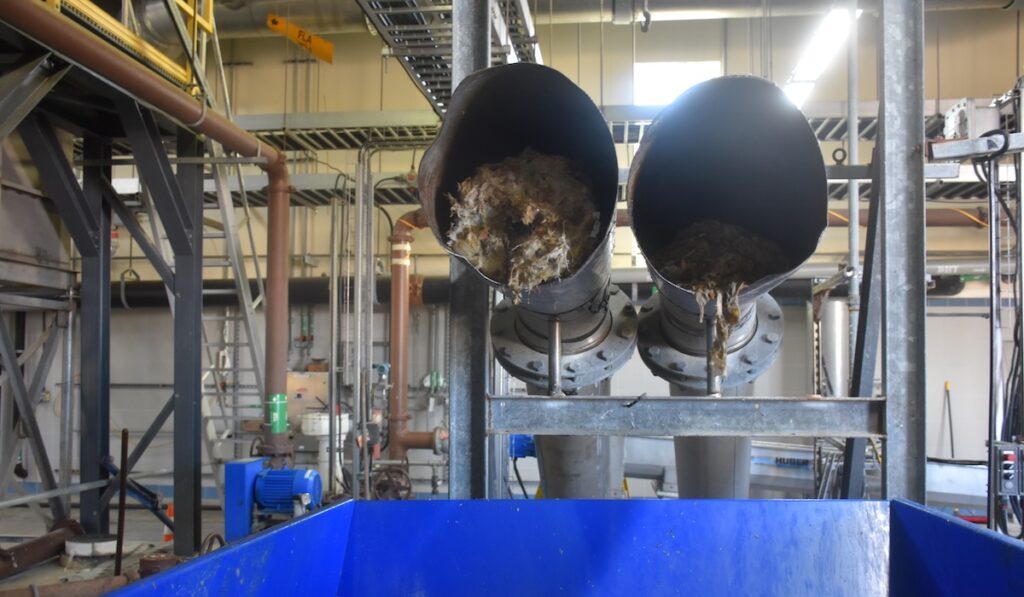
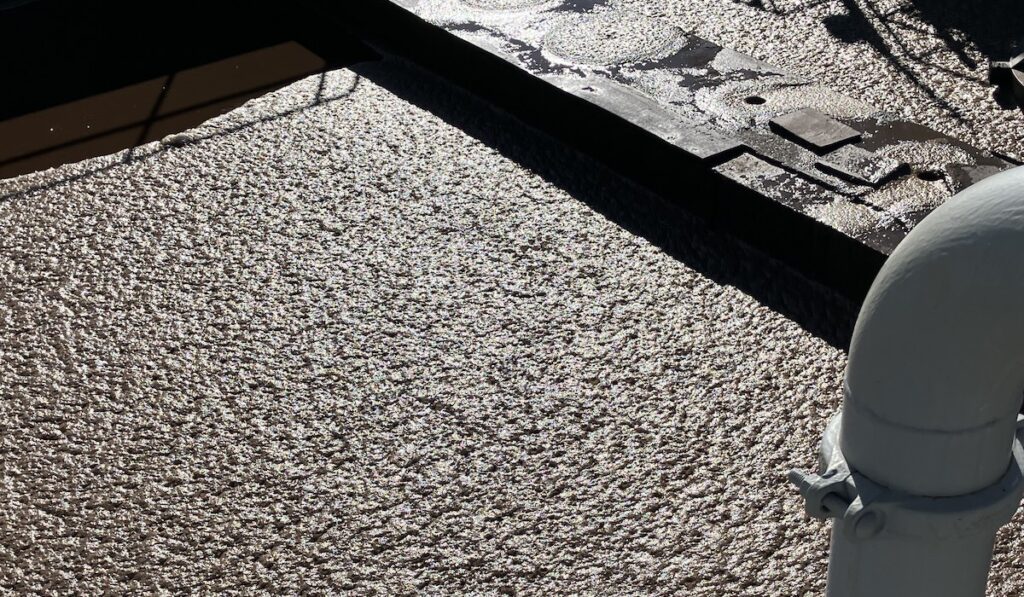
For more than 320,000 residents — roughly a third of Pierce County’s population — across 117 square miles including Tacoma, Lakewood, University Place, and surrounding communities, every flush finds its way to Chambers Creek WWTP through a network of underground pipes. Out of sight from the moment it first swirls away.Photo: S. KantorThe operations center of Chambers Creek WWTP sits within a 200-acre site along Commencement Bay, of which about 50 acres are developed facility. Photo: S. Kantor/PSIDuring preliminary treatment, wastewater passes through screens that remove solid material before it can damage pumps and equipment downstream. What you see here is the reality of what arrives: everything that gets flushed or washed down a drain across 117 square miles of Pierce County. Photo. J. Rice/PSI
Processing millions of gallons of wastewater daily presents an obvious challenge beyond the mechanical — one that hits you before you even walk through the gate. Or rather, doesn’t. Standing in the middle of a facility processing 45.3 million gallons of wastewater daily, odor is conspicuously absent.
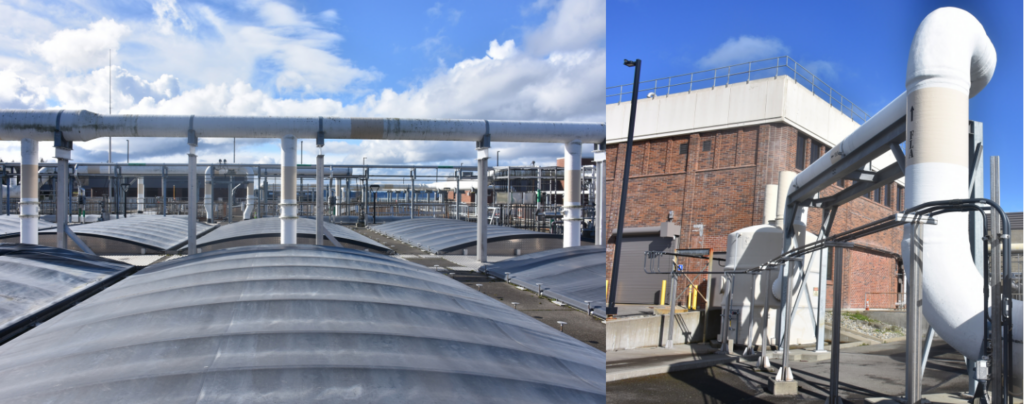
Primary treatment begins with sedimentation — wastewater slows in large covered tanks, allowing solids to settle (left). The tanks are covered to contain odorous gases, which are captured and treated by an odor control system before any air is released (right). Photos. J. Rice/PSI
Throughout Puget Sound, 58 wastewater treatment plants operate under the Department of Ecology’s nutrient general permit — a recognition that nutrient pollution poses a significant threat to the Sound’s marine ecosystems. Newer systems goes beyond removing solids and organic matter to target nutrients directly. Biological nutrient removal uses specialized microbial communities to extract nitrogen and phosphorus from wastewater before it ever reaches the Sound.
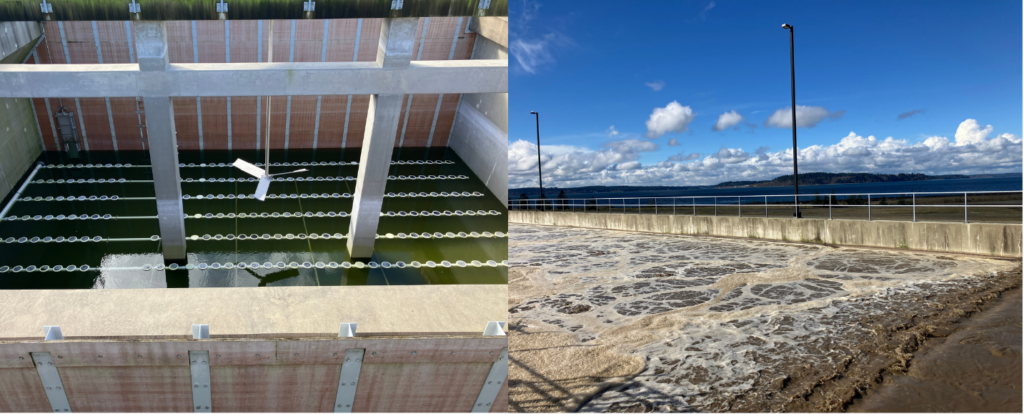
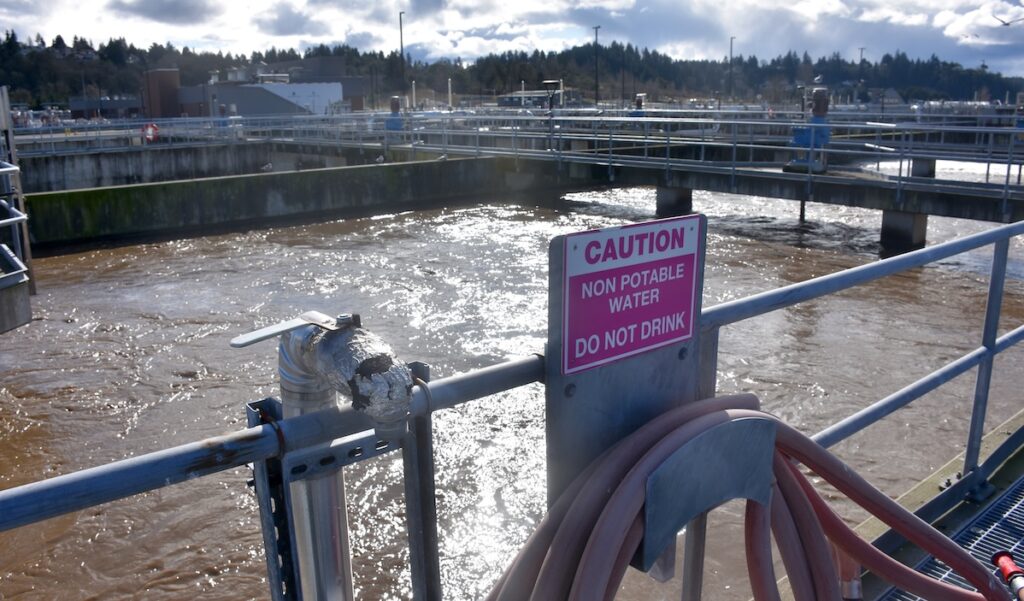
The bubbling visible here is evidence of biological nutrient removal at work — microorganisms extracting nitrogen and phosphorus from a wastewater sideflow.Photo: S. KantorAeration basins are at the heart of secondary treatment — oxygen is introduced into the wastewater to support the microbial communities that break down organic matter. An empty basin reveals the scale of the infrastructure and a mixer that keeps water and microorganisms in constant contact. A full basin shows the process in action. Photos. S. Kantor/PSI“Non-potable water — do not drink.” Wastewater treated at Chambers Creek is cleaned to a standard safe for discharge to Puget Sound — not for human consumption. Photo: J. Rice/PSI
Wastewater treatment is more than cleaning water — it’s a system that produces multiple outputs. Solids screened out at the start go to landfill. Further along, the process yields clean water returned to Puget Sound, biosolids for land application, and methane.
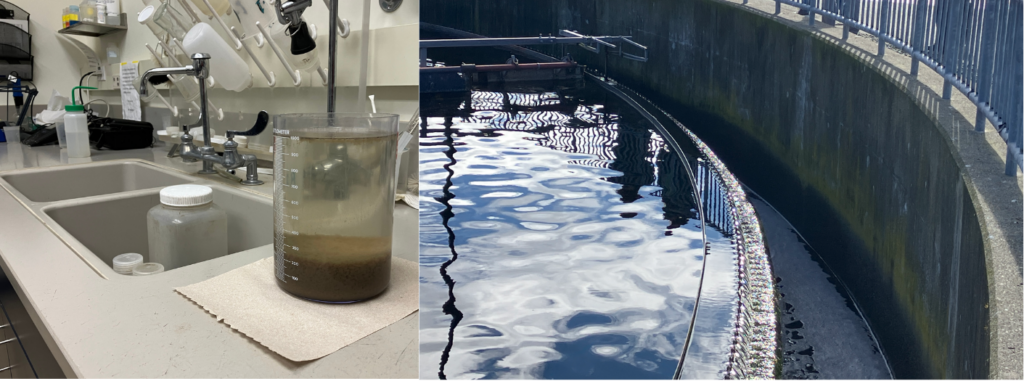
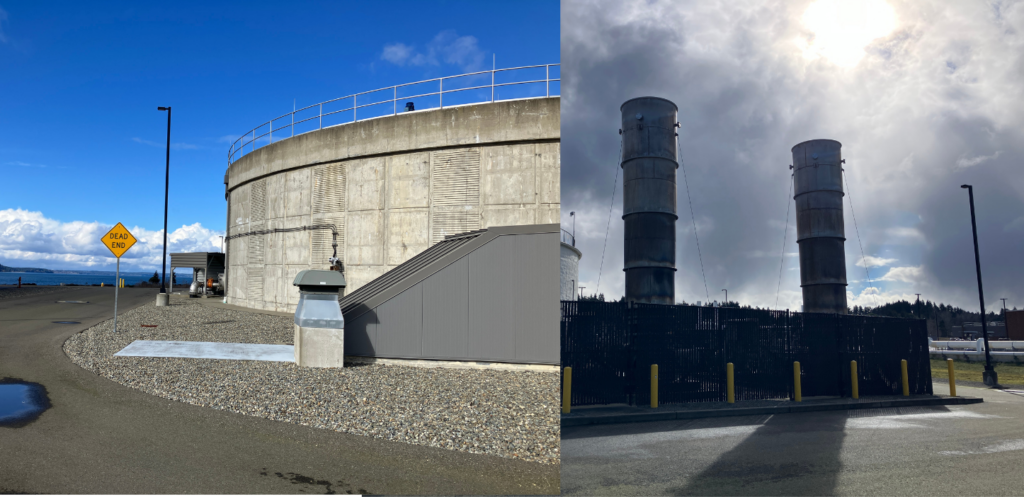
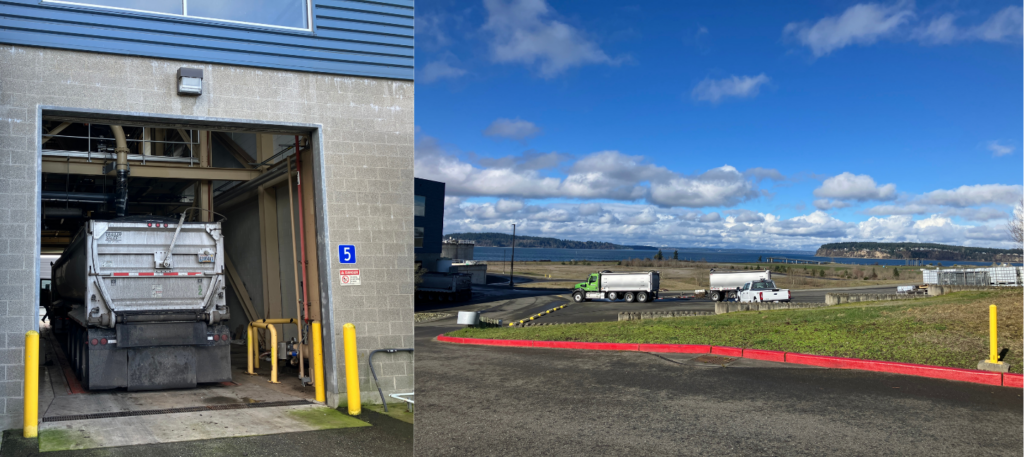
A settlometer (left) — a simple beaker test conducted in the plant laboratory — mirrors the settling process happening at massive scale in the tanks throughout the facility. By the time wastewater reaches the secondary clarifiers (right), it has been transformed. Technicians use tests like this to monitor treatment effectiveness before water moves on to final discharge. Photos. S. Kantor/PSIAnaerobic digesters break down settled solids — called sludge or biosolids — removed during the treatment process. This microbial process stabilizes the material, reduces its volume, and produces methane which is released through the facility’s exhaust stacks. Photos. S. Kantor/PSIStabilized biosolids — the solid material remaining after anaerobic digestion — leave the facility by truck for land application as a nutrient-rich soil amendment. A part of what arrived as waste leaves as a resource. Photos: S. Kantor
Chambers Creek is one of dozens of wastewater treatment plants ringing Puget Sound, collectively processing hundreds of millions of gallons daily. These facilities face growing challenges as contaminants of emerging concern — including PFAS and pharmaceuticals — place increasing demands on treatment technology. The infrastructure that makes this possible operates every hour of every day, largely unnoticed. Out of sight, and — thanks to the work happening here — back to the Sound.