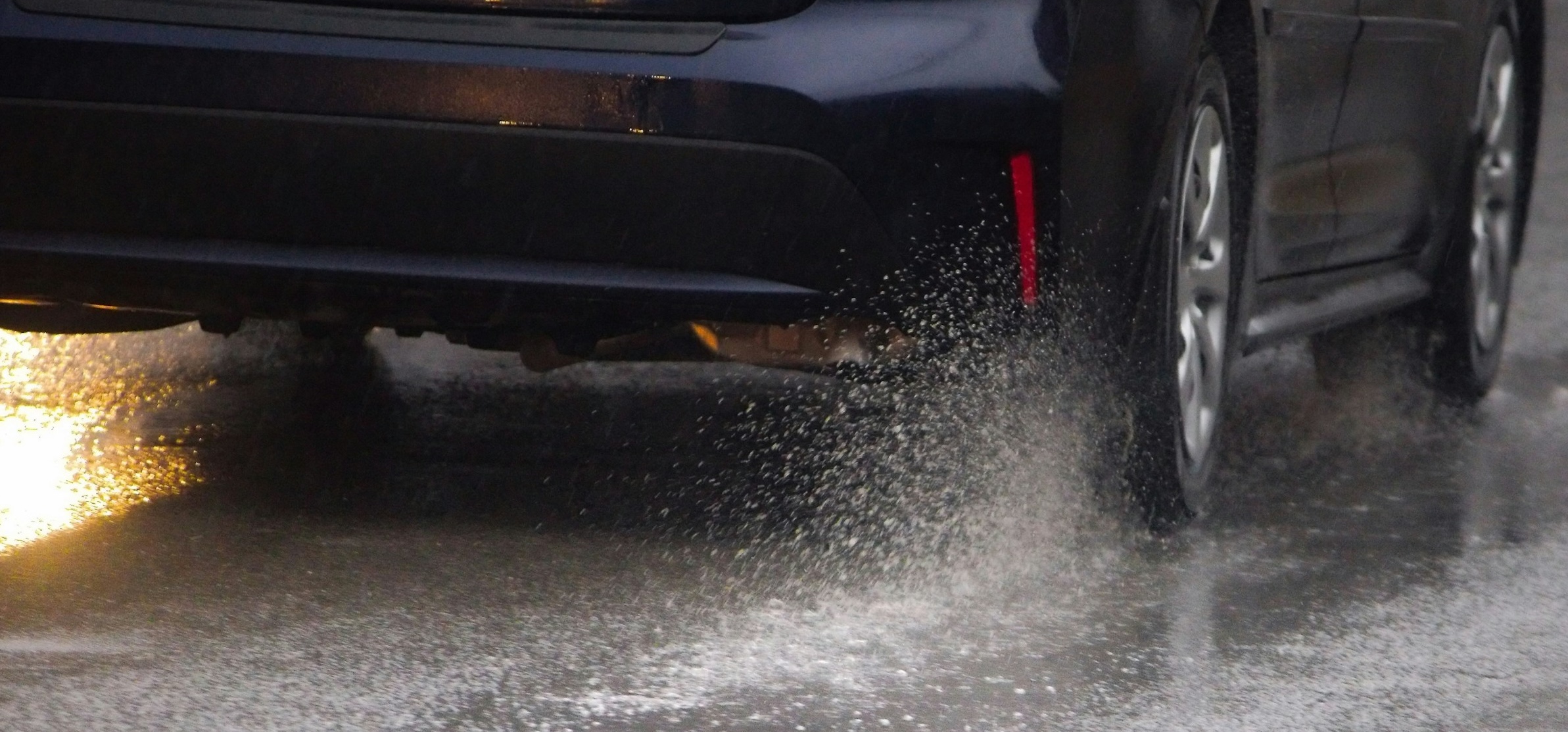
A new bill introduced to the Washington Legislature, now in session, would require tire manufacturers to reformulate the rubber in their tires to remove a chemical responsible for killing large numbers of coho salmon and other fish. If approved, the legislation would give tire manufacturers nine years to find a suitable replacement for the compound […]
January 9, 2026
Study finds juvenile coho salmon at risk from deadly tire chemical
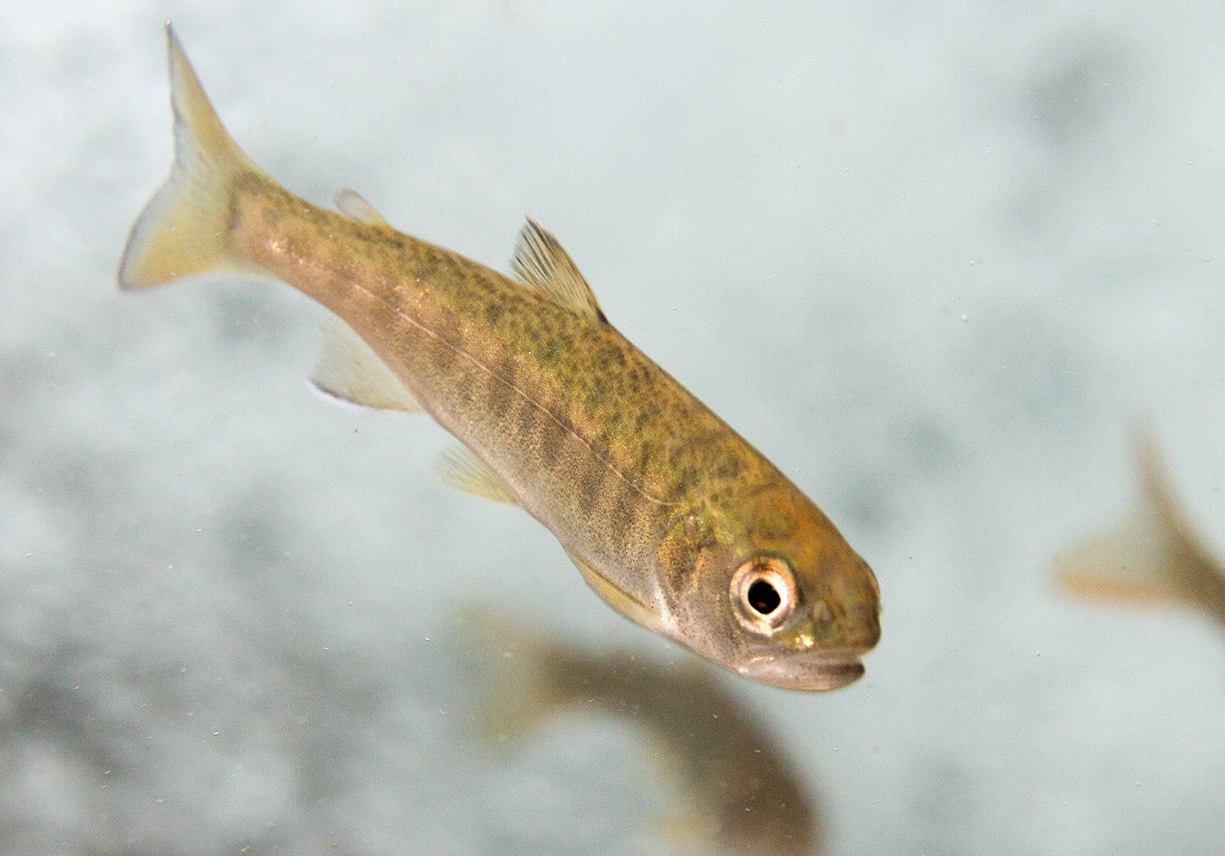
Untold numbers of hatchery fish may be dying from exposure to tire-contaminated runoff, according to a new study. When it was first identified in 2020, the deadly tire chemical 6PPD-quinone (6PPDQ) was seen mostly as a threat to adult coho salmon. Fish returning in the fall were found disoriented and gasping shortly after entering creeks […]
October 27, 2025

Experts expect the recent arrival of chum salmon to bring orcas back to Puget Sound
UPDATE: Monday, Nov. 3 Whales return to Central Puget Sound without youngest calf All three pods of southern resident killer whales traveled into Central Puget Sound Sunday, making it as far south as the southern end of Vashon Island, if not farther. The past few days, various whales have been spotted in the San Juan […]
September 30, 2025

What is driving ongoing contamination in Commencement Bay?
Despite more than four decades of a Superfund cleanup along Tacoma’s industrial Tideflats, research suggests that large amounts of toxic chemicals like PCBs and PBDEs may still be entering the waterway. Our affiliates at the Center for Urban Waters are co-leading a new project to identify contaminant hotspots. When it was first designated in 1983, […]
December 27, 2024

The importance of estuaries for adult salmon in Puget Sound
Next time you see a salmon moving upstream to spawn, consider the importance of estuaries. Estuaries, places where rivers and creeks mix with the waters of Puget Sound, help salmon adjust the ions (salts) in their bodies so they can safely make the transition from marine to fresh water. A new report by University of Washington scientist […]
December 16, 2024

Ask a scientist: What is a distributary channel?
In a natural state, a river passing through a floodplain will have many side channels and tendrils that distribute the water, fanning it out across the delta. However, these channels are often lost when rivers are diverted to make room for farmland or other human development. In many cases, even after the dikes and levees […]
March 28, 2024
Ask a scientist: Are human-derived hormones like estrogen harming fish in Puget Sound?
Hormones such as estrogens that humans create in their own bodies are entering Puget Sound through wastewater, raising concerns about their effects on fish and other wildlife. We spoke with Puget Sound Institute scientist Maya Faber about how environmental exposure to human-derived estrogen can alter the reproductive cycles of male and female fish. The effects […]
February 12, 2024
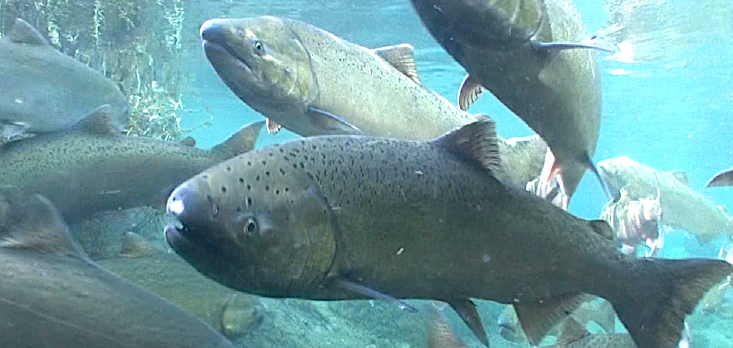
The words ‘in common with’ were pivotal to Judge Boldt’s ruling on Native American fishing rights
Three common words and their legal interpretation a half-century ago helped set the stage for a cultural revival among Native Americans while propelling an environmental movement that still resonates today in Washington state. It was 50 years ago today that U.S. District Judge George Boldt handed down his landmark ruling, which resolved the meaning of […]
November 21, 2023

GAO report calls for strengthening of regulations on nonpoint source pollution
By Sarah DeWeerdt A new report by the nonpartisan Government Accountability Office (GAO) is renewing calls to strengthen Clean Water Act protections against nonpoint source pollution such as stormwater and agricultural runoff. The recommendation echoes findings made by the GAO in 2013 when it called for Congress to revise “largely voluntary” regulations for nonpoint pollution sources that wash […]
November 8, 2023
Puget Sound ecosystem holding on, but recovery remains uncertain, says latest status report
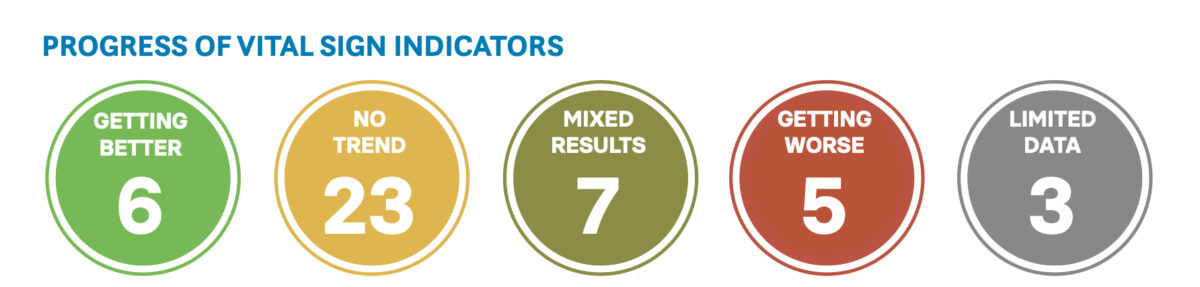
Efforts to restore ecological health to Puget Sound have largely failed to meet recovery goals, yet fish and wildlife populations are still hanging on, according to a new report that describes many struggling populations as neither increasing nor decreasing to a significant extent. The latest State of the Sound report, released last week by the […]