 ">
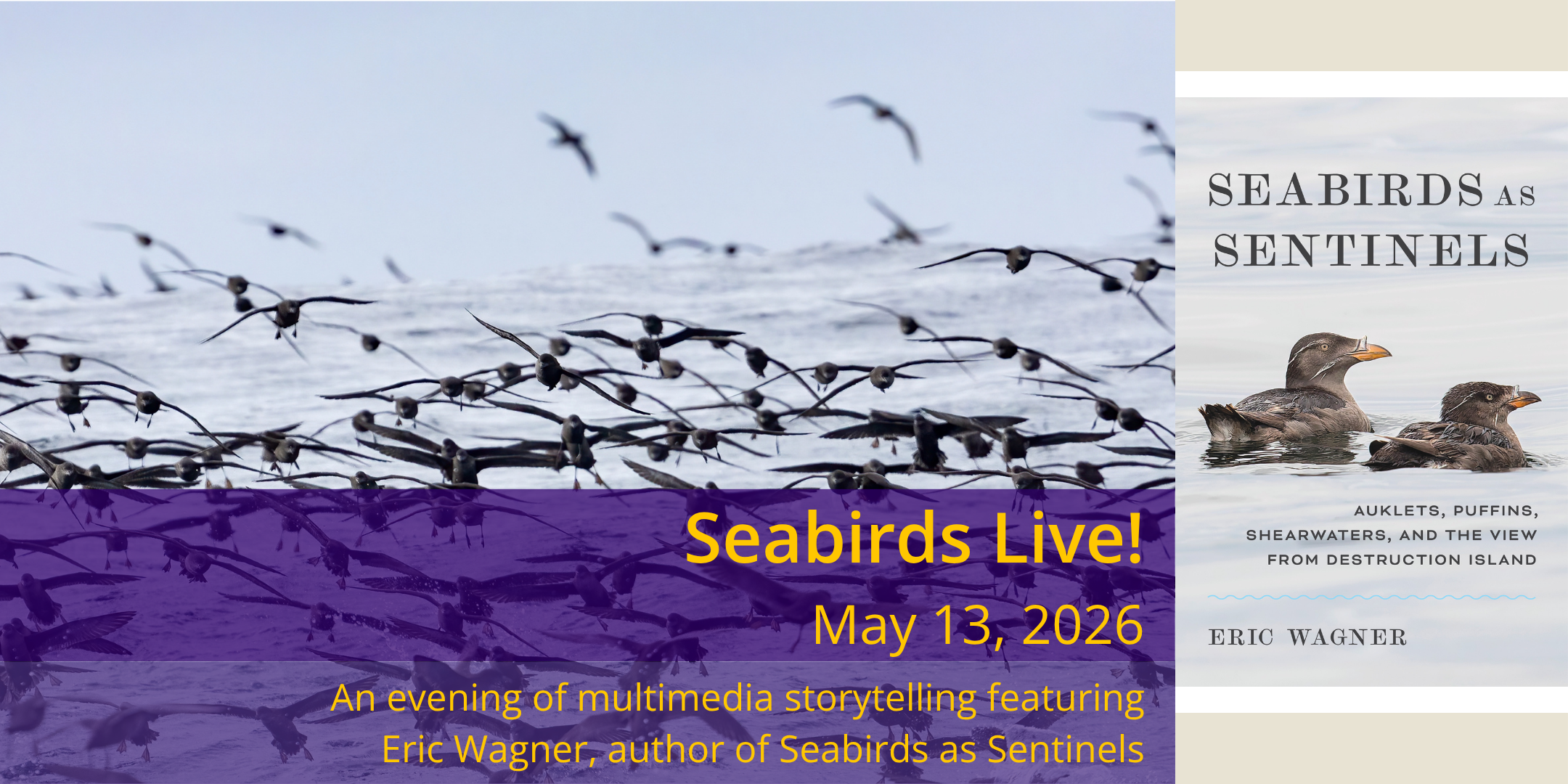
"> What can tens of thousands of rhinoceros auklets tell us about the health of the Salish Sea? Get the inside scoop on the remote and often enigmatic seabirds of Protection and Destruction Islands. Author Eric Wagner will be on stage with seabird biologist Peter Hodum for a live conversation on May 13 at the University […]
March 24, 2026
 ">
"> April 14 roundtable highlights 36 years of repeated photo-monitoring after the Exxon Valdez oil spill
The Salish Sea Science Roundtable online speaker series continues on Tuesday, April 14 from 12:30 – 1:30 pm. Join Gary Shigenaka and Alan Mearns (NOAA, retired) to explore more than three decades of shoreline photo-monitoring after the Exxon Valdez oil spill. Using standardized photo points and percent-cover estimates, they track multi-decade changes in foundational intertidal species […]
March 23, 2026
 ">
"> Out of Sight, Back to the Sound
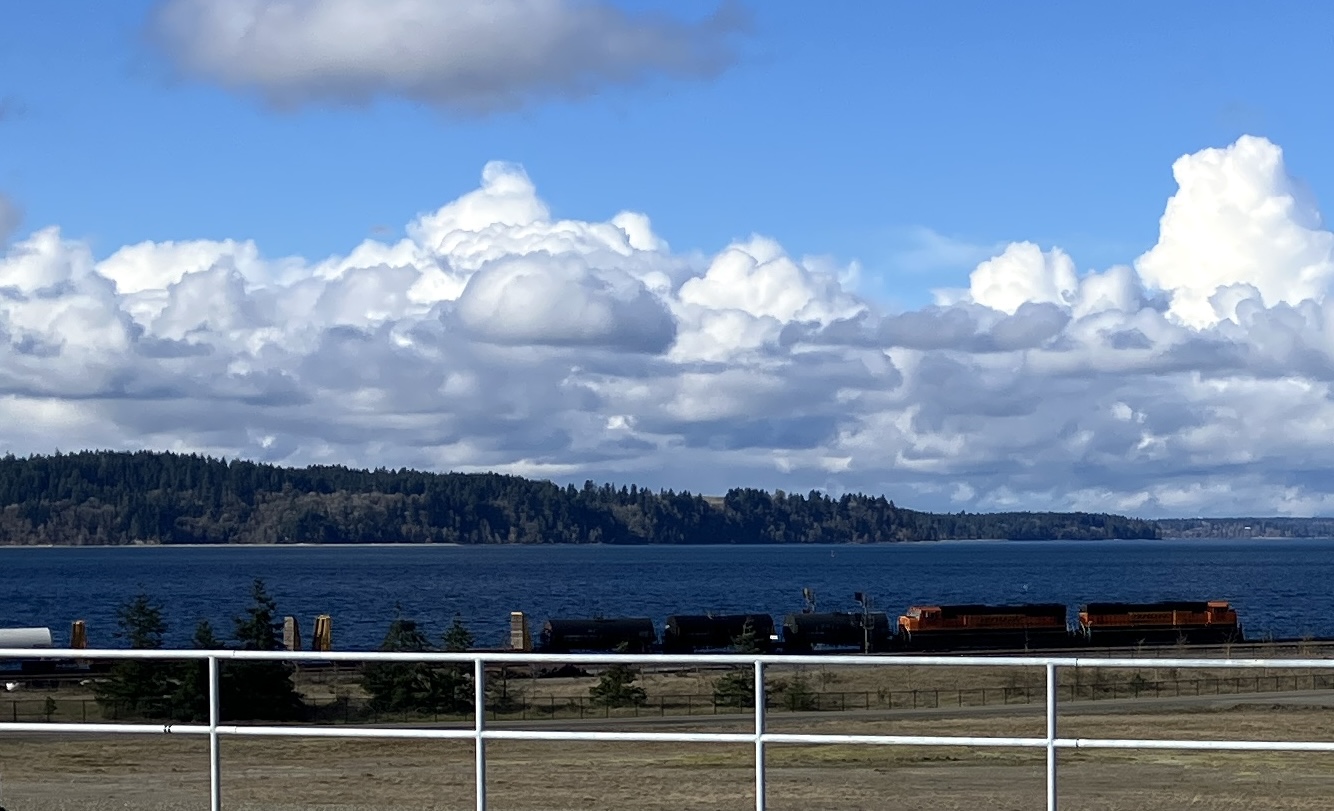
Tucked along the shoreline of Commencement Bay, the Chambers Creek Wastewater Treatment Plant is one of dozens of wastewater treatment plants that discharge directly into Puget Sound. It serves more than 320,000 people — roughly a third of Pierce County’s population — in an area that includes Tacoma, Lakewood, University Place, and surrounding communities, processing […]
March 17, 2026
 ">
"> Nature assessment describes both peril and promise, as humans relate to the natural world
The past, present and future of natural conditions in the United States are described in a new report, which has traveled a bumpy road to its current draft form, now out for public review and comment. “The Nature Record,” originally titled the “National Nature Assessment,” was launched in 2022 as a government project — the […]
March 13, 2026
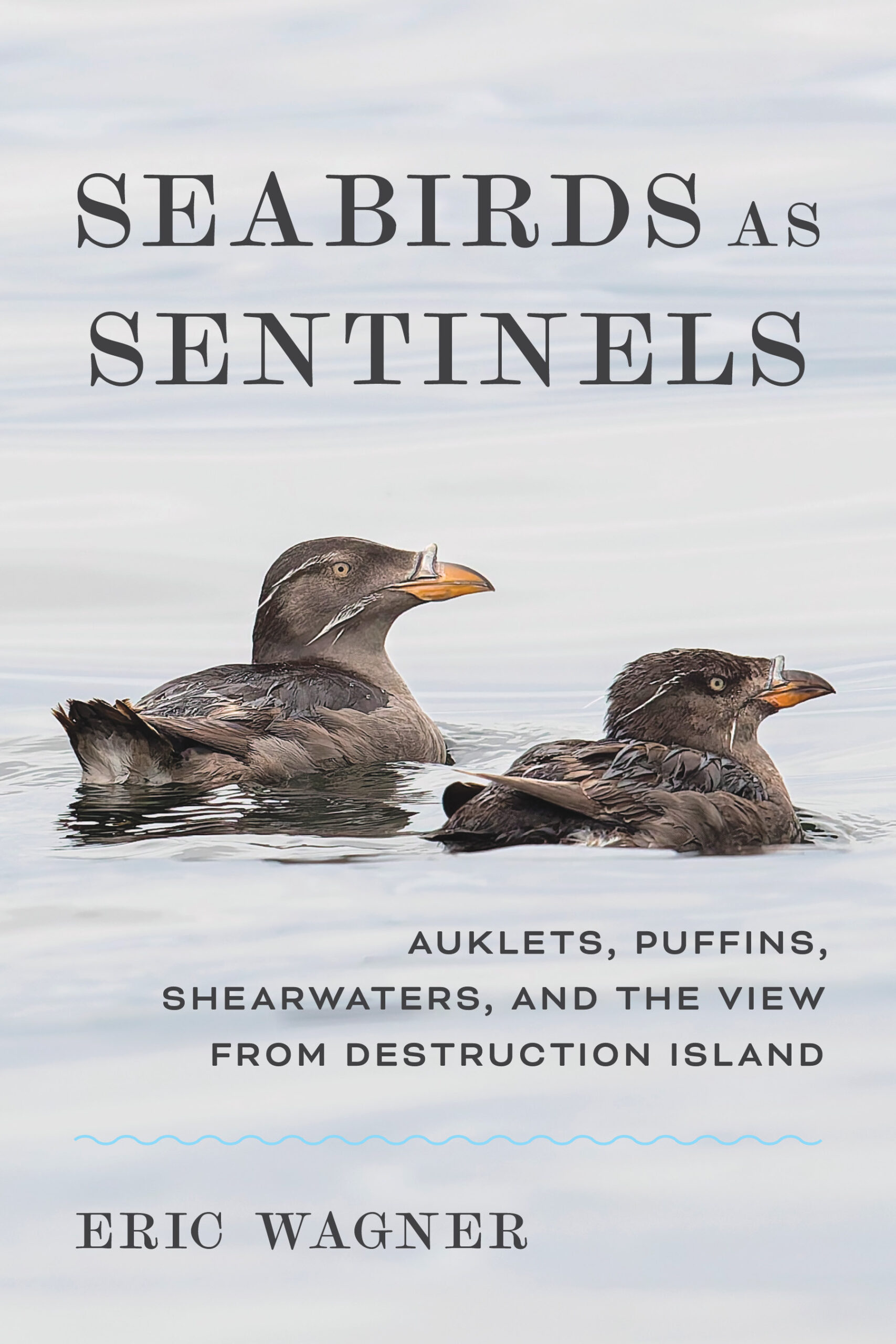 ">
"> Seabirds as Sentinels: Auklets, Puffins, Shearwaters, and the View from Destruction Island
Eric Wagner’s new book, Seabirds as Sentinels, is out this month and features writing inspired by some of his reporting for our magazine Salish Sea Currents. The book, published by the University of Washington Press, follows a team of scientists who have spent more than a decade studying the remote seabirds of Destruction Island. It […]
February 19, 2026
 ">
"> March 10 roundtable digs into the impacts of commercial anchoring in British Columbia
The Salish Sea Science Roundtable online speaker series continues on Tuesday, March 10 from 12:30 – 1:30 pm. Anchoring of commercial vessels can have a range of social, cultural, ecological, and physical impacts in coastal marine systems. Using a combination of spatial data, field observations, and vessel activity records, Dr. Fiona Francis (Fisheries and Oceans Canada; […]
January 21, 2026
 ">
"> Testimony in legislative committees focuses on when a toxic tire chemical should be banned
While not exactly a chicken-or-egg debate, when it comes to regulating a deadly tire chemical, Washington state lawmakers are being called upon to decide what comes first in the effort to save salmon. In public hearings this week, speakers were clearly divided in their views on companion bills in the House and Senate to ban […]
January 13, 2026
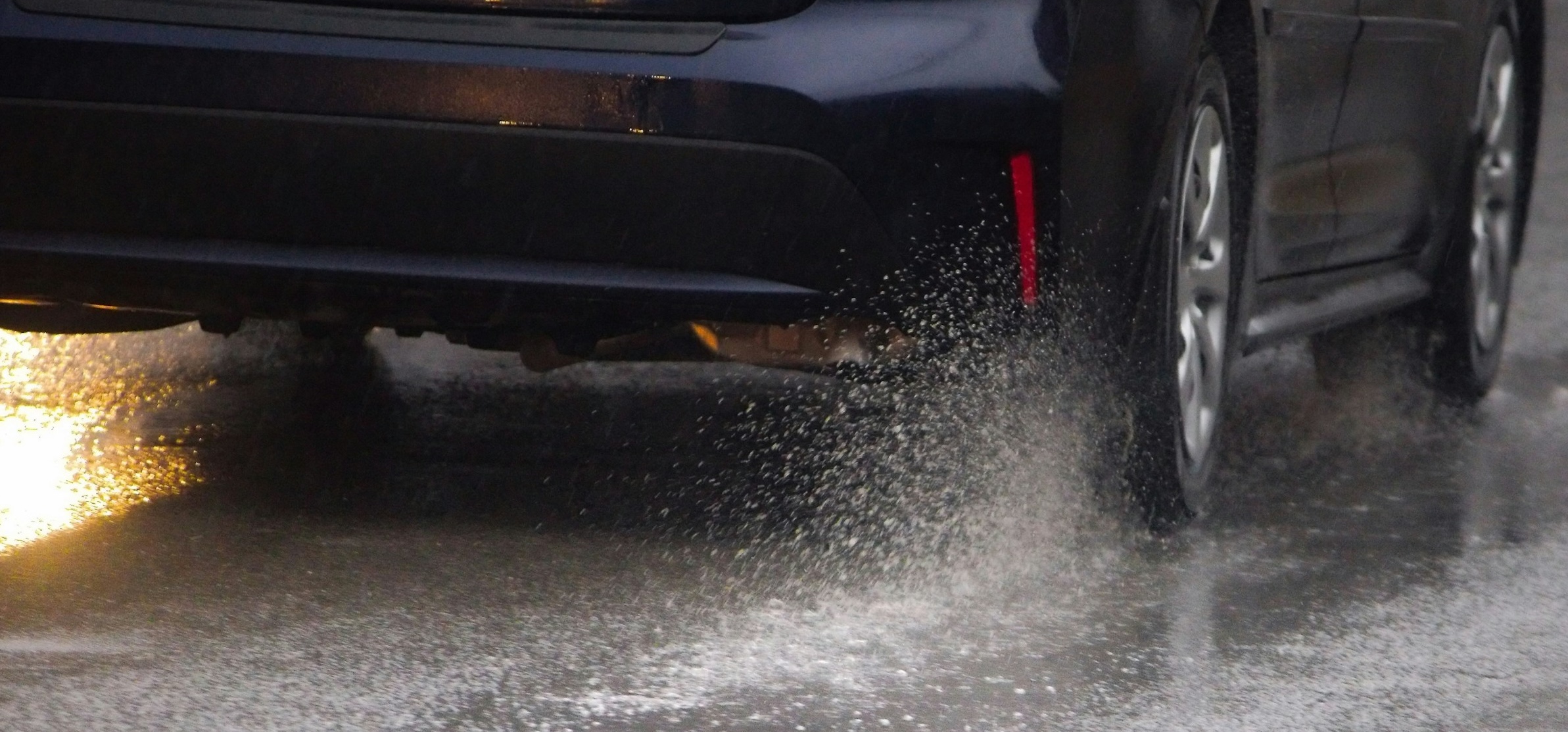 ">
"> Washington lawmakers to decide whether to ban a tire chemical shown to be toxic to salmon
A new bill introduced to the Washington Legislature, now in session, would require tire manufacturers to reformulate the rubber in their tires to remove a chemical responsible for killing large numbers of coho salmon and other fish. If approved, the legislation would give tire manufacturers nine years to find a suitable replacement for the compound […]
January 12, 2026
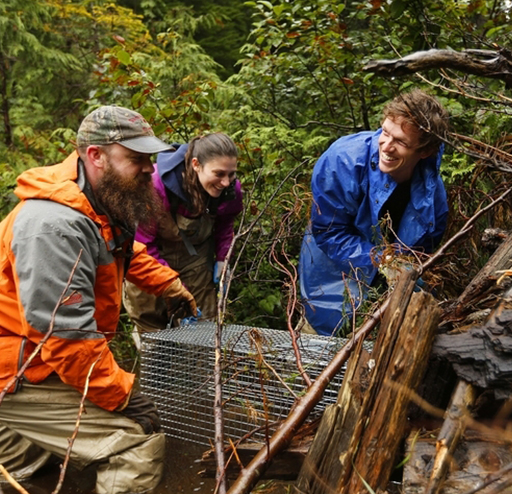 ">
"> February 10 roundtable explores beavers as partners in restoration: A look inside the Tulalip Beaver Project
The Salish Sea Science Roundtable online speaker series continues on Tuesday, February 10 from 12:30 – 1:30 pm. Twelve years ago, the Tulalip Beaver Project started with a bold idea: maybe we can partner with beavers — nature’s original engineers — to help restore salmon habitat. Today, the project is known across the country for showing […]
January 9, 2026
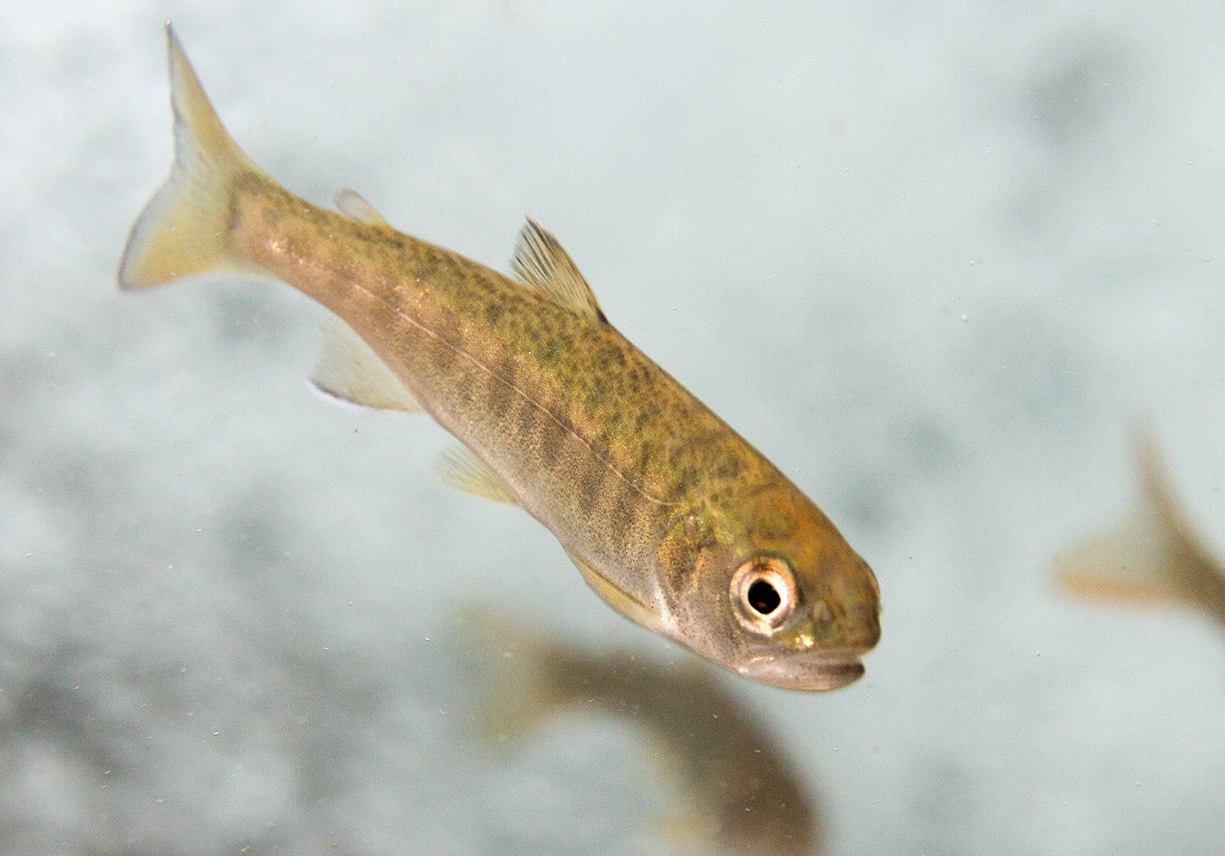 ">
"> Study finds juvenile coho salmon at risk from deadly tire chemical
Untold numbers of hatchery fish may be dying from exposure to tire-contaminated runoff, according to a new study. When it was first identified in 2020, the deadly tire chemical 6PPD-quinone (6PPDQ) was seen mostly as a threat to adult coho salmon. Fish returning in the fall were found disoriented and gasping shortly after entering creeks […]