 ">
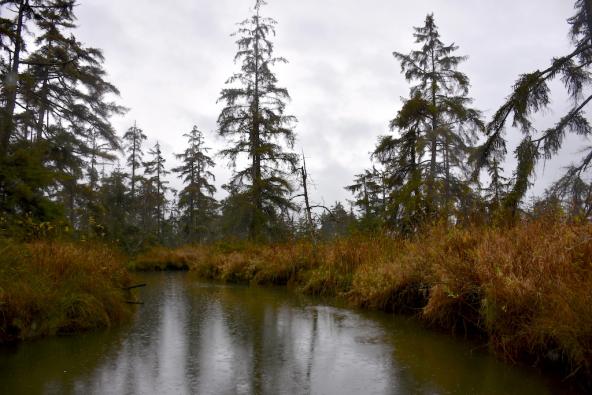
"> Hundreds of years ago, old-growth cedar and spruce loomed over estuaries and bottom lands throughout Puget Sound, creating what are known as tidal forests. These forests were the Pacific Northwest’s answer to the Everglades — giant spongy swamps with a touch of saltwater that made up some of the finest salmon habitat in the region. […]
December 20, 2018
 ">
"> The latest numbers on shoreline armoring
By Jeff Rice Washington state has released the latest statistics for Puget Sound’s shoreline armoring Vital Sign, comparing armoring creation and removal in 2017. Those familiar with the Vital Sign will know that the state’s goal is to finally see, by 2020, a net decrease in the length of shoreline armoring throughout Puget Sound. Armoring […]
December 12, 2018
 ">
"> Test your herring knowledge
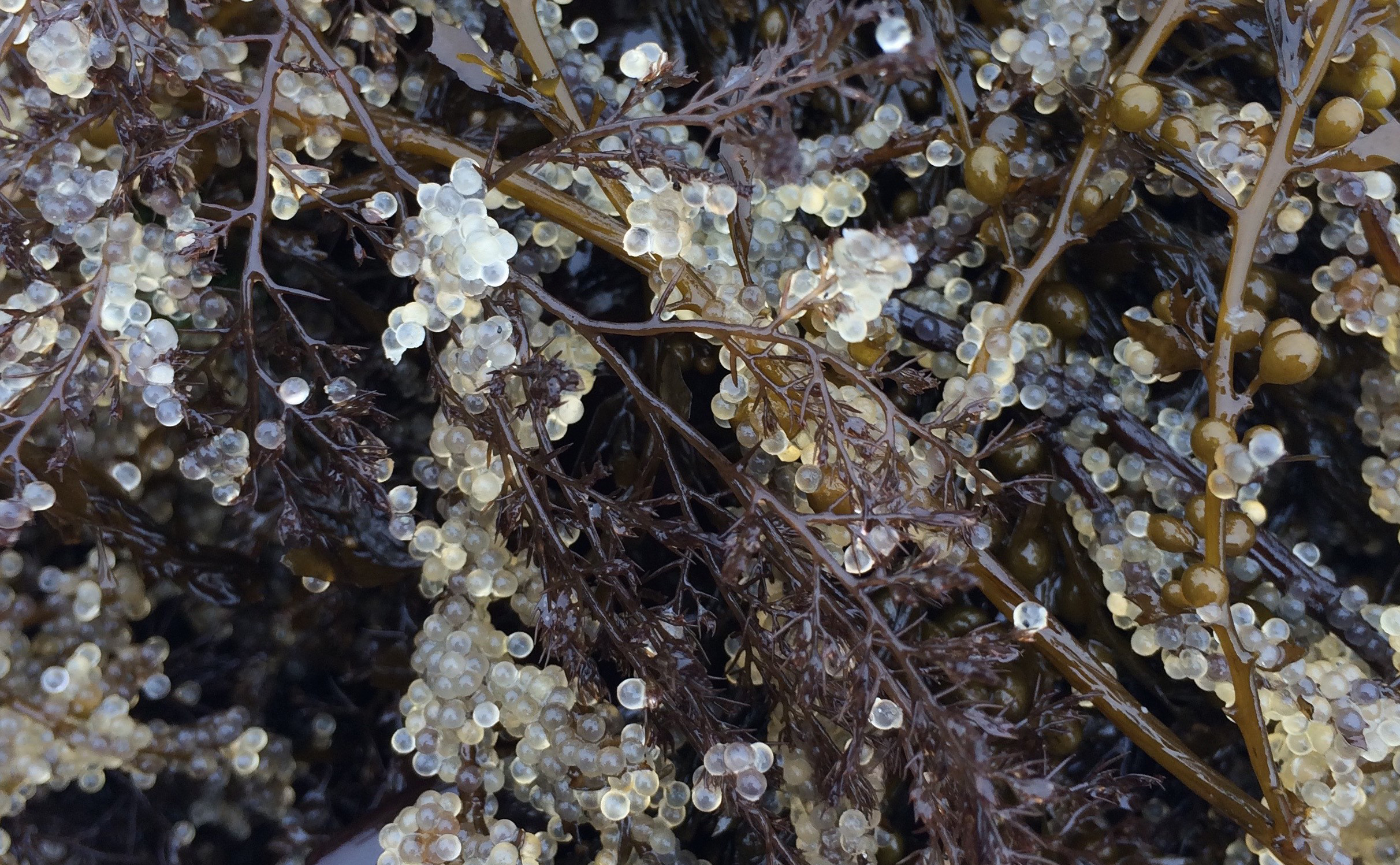
By Jeff Rice One of the first steps in protecting any species is understanding as much as you can about it. When it comes to Pacific herring in the Salish Sea, much is known but until recently many of the key scientific findings about the species had not been gathered together in a single place. […]
November 30, 2018
 ">
"> Debate over water quality standards takes a new turn
Many people thought the issue of regulating toxic chemical discharges into Puget Sound was settled when the federal government forced Washington state to use stricter criteria, but the debate may be underway once again. By Christopher Dunagan An unlikely disagreement between state and federal authorities over water-quality standards has flared up again. Two years ago, […]
November 16, 2018
 ">
"> Orca task force releases recommendations
By Jeff Rice The governor’s Southern Resident Orca Task Force released its final report and recommendations today, focusing on three key threats to Puget Sound’s endangered orcas: Lack of food, disturbance from noise and vessel traffic, and toxic contaminants. In all, the report makes 36 recommendations for recovering the fast-declining orca population, which now stands at […]
October 22, 2018
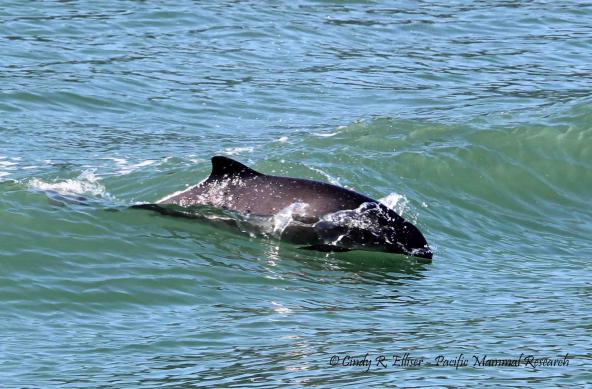 ">
"> Harbor porpoises become increasing players in the Puget Sound food web
An explosive growth in the number of harbor porpoises in Puget Sound could be creating a ripple effect through the food web, with potential consequences for salmon, seals and even orcas. PSI senior writer Christopher Dunagan reports in Salish Sea Currents.
October 17, 2018
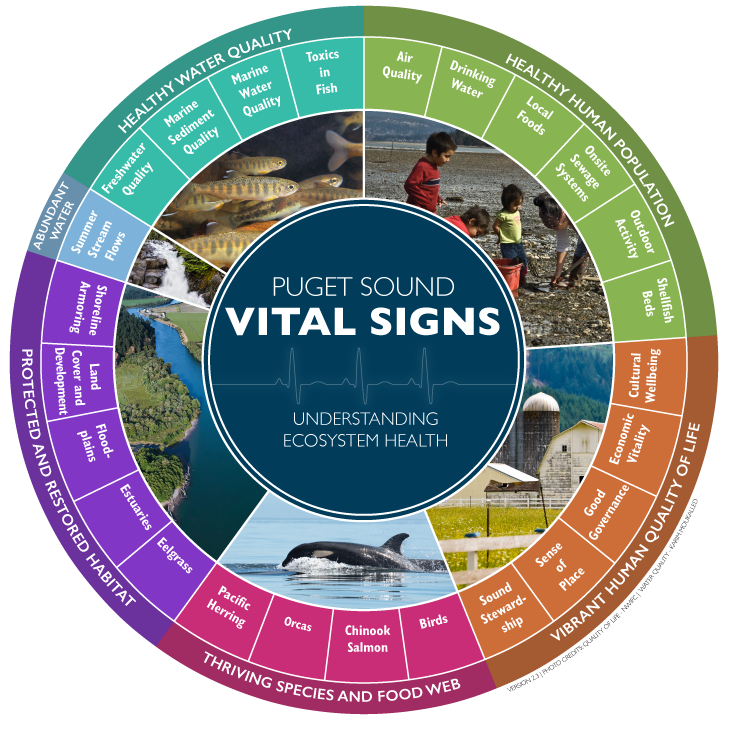 ">
"> The state could be revising its Puget Sound ‘Vital Signs’
By Jeff Rice The Puget Sound Partnership is re-evaluating the way it measures the health of Puget Sound. A newly published study could greatly expand the Partnership’s portfolio of Vital Signs, a collection of health indicators for the Puget Sound ecosystem that have been central to state and federal funding and planning. A key goal […]
September 19, 2018
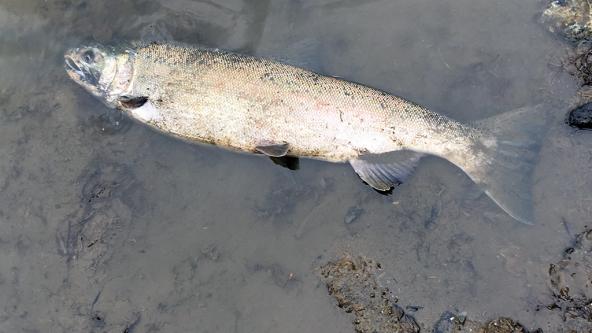 ">
"> Chemicals from automobile tires suspected in coho deaths
Findings authored this month by University of Washington scientists at the Center for Urban Waters and their collaborators provide new insight into “urban runoff mortality syndrome” affecting Puget Sound coho. By Jeff Rice Chemicals linked to automobile tires have been found in stormwater associated with the widespread deaths of coho salmon in Puget Sound. The […]
September 10, 2018
 ">
"> Transient phenomena in ecology
Puget Sound Institute Lead Ecosystem Ecologist Tessa Francis is co-author of a paper in the journal Science this month. The article, “Transient phenomena in ecology” reviews current knowledge of transient dynamics within ecosystems. The authors say the paper shows a need to consider short-term ecological changes as well as long-term, and that “basing either management […]
September 9, 2018
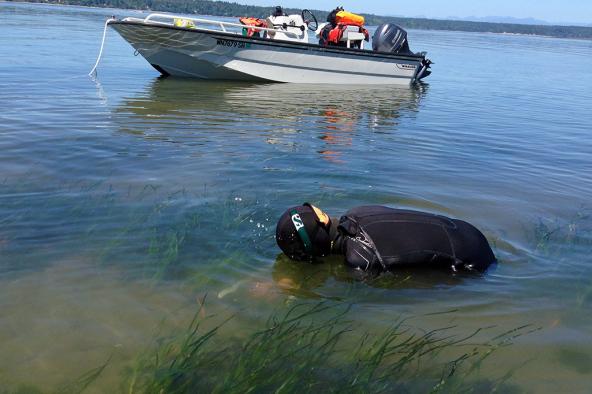 ">
"> Studies show challenges for eelgrass restoration
As critically important eelgrass declines in some parts of Puget Sound, scientists are trying to plant more of it. The health of the ecosystem may be riding on their efforts, but what they are finding is something that farmers have known for thousands of years: Getting something to grow may be harder than you think. […]