Join the next roundtable
While there are often opportunities to go deep in our respective fields, breakthroughs can come from unexpected connections and interdisciplinary discussions. The Salish Sea Science Roundtable is a virtual monthly seminar inspired by just that. Each month, we’ll connect to share emerging science shaping Salish Sea recovery and sustainable development, reconnect with colleagues in different fields, and enjoy thought-provoking discussions. We hope you’ll join us virtually on the second Tuesday of each month from 12:30-1:30 pm PT.
We’re taking a break for the summer, but look forward to reconnecting this fall. In the meantime, do you have a topic you want to learn more about or are you interested in sharing some of your organization’s new science? Email Marielle (marlars@uw.edu).
Check out the previous roundtables
Hatchery effects on trait variation in Pacific salmon 06.30.26
Enhancement of Pacific salmon stocks through the use of hatchery production is one approach to support vulnerable stocks and harvest. Integrated hatcheries support these goals by adding artificial spawning habitat to natural habitats, which produces elevated egg-to-release survival rates. However, this also creates risks of genetic effects within the integrated stock as different habitats have the potential to select for different trait distributions. Understanding how these effects translate to long-term fitness costs for integrated stocks is complicated by difficulties in separating genetic and environmental effects on hatchery-mediated trait variation in Pacific salmon. This presentation by Tim Healy with Fisheries and Oceans Canada will explore recent work through the Pacific Salmon Strategy Initiative, assessing genetic or heritable effects of hatchery production in British Columbia.
2025 – 2026 Roundtables

36 Years of repeated photo-monitoring after the Exxon Valdez oil spill 04.14.26
Gary Shigenaka and Alan Mearns (NOAA, retired) highlighted more than three decades of shoreline photo-monitoring after the Exxon Valdez oil spill. Using standardized photo points and percent-cover estimates, they track multi-decade changes in foundational intertidal species across oiled shorelines, oiled set-asides, and control sites. Valerie Chu (Ecology) also shared how her own pilgrimage to Mearns Rock is continuing the essential volunteer role of revisiting photo sites—while also reinvigorating her personally.

The impacts of commercial anchoring in British Columbia 03.10.26
Anchoring of commercial vessels can have a range of social, cultural, ecological, and physical impacts in coastal marine systems. Using a combination of spatial data, field observations, and vessel activity records, Dr. Fiona Francis (Fisheries and Oceans Canada; DFO) will provide an overview of the physical and biological impacts commercial anchoring can have on benthic ecosystems in both the Salish Sea and on the North Coast of British Columbia. This talk highlights an ongoing collaboration between researchers from the Government of Canada and coastal First Nations, and demonstrates the need for baseline ecological data in areas of commercial anchoring, particularly in regions with rapid increases in commercial shipping activity
Beavers as partners in restoration: A look inside the Tulalip Beaver Project 02.10.26
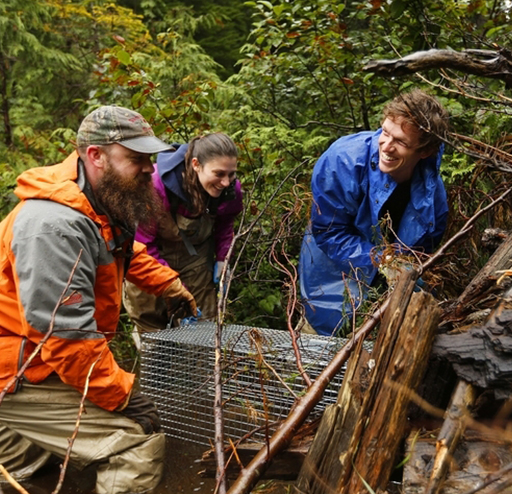
Twelve years ago, the Tulalip Beaver Project started with a bold idea: maybe we can partner with beavers—nature’s original engineers—to help restore salmon habitat. Today, the project is known across the country for showing how people and wildlife can work together to heal our watersheds. In this presentation, we’ll look at why beavers matter, how the Tulalip Beaver Project safely captures and relocates them, and the lessons we’ve learned from years of on‑the‑ground restoration and outreach.
Partnership in science and stewardship: The səlilwətaɬ / Tsleil-Waututh Nation and Fisheries & Oceans Canada collaborations in Burrard Inlet 12.02.2025
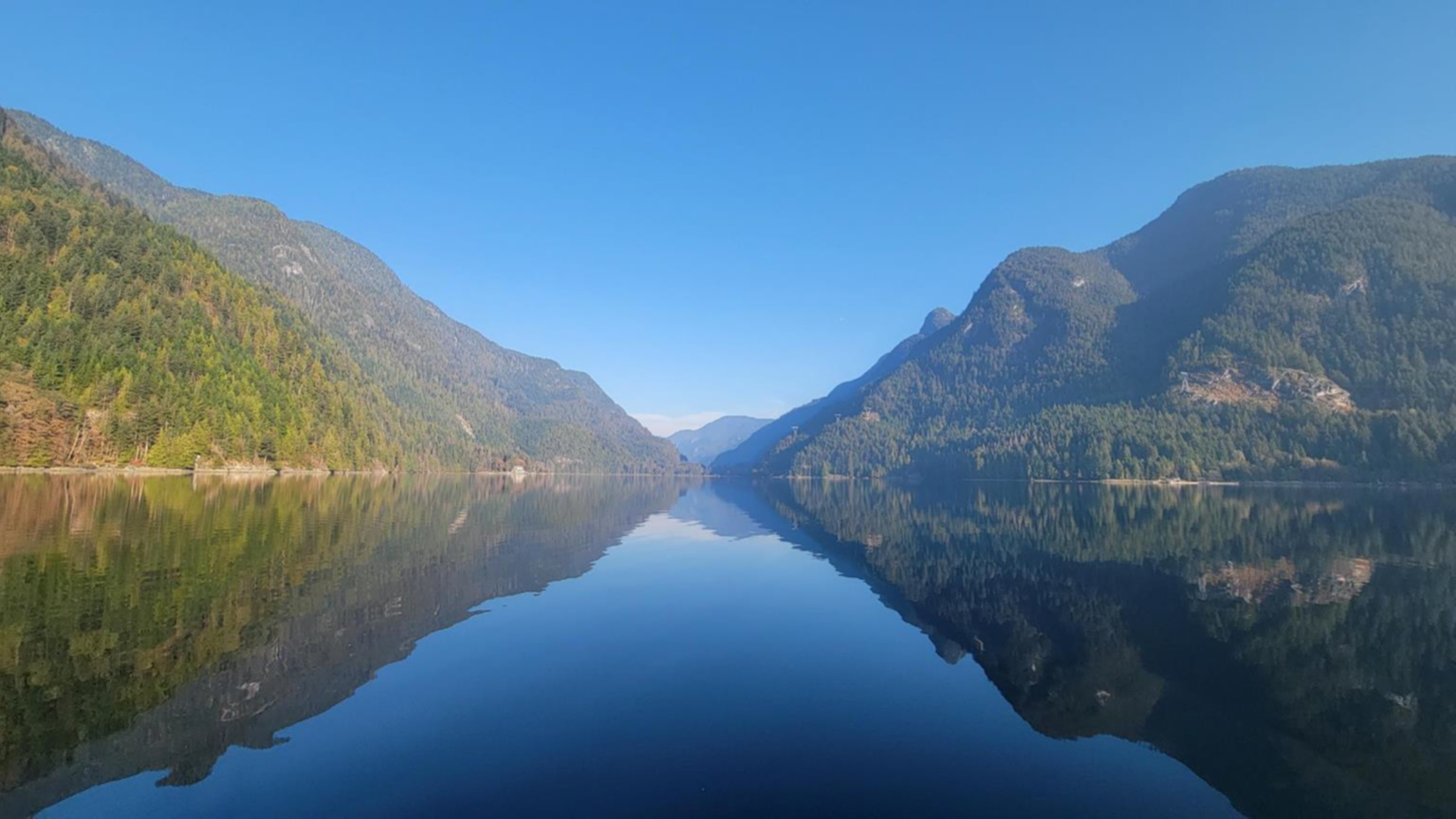
Signed in 2021, the Burrard Inlet Environmental Science and Stewardship Agreement (BIESSA) is a Nation-to-Nation Reconciliation agreement between Canada and səlilwətaɬ (Tsleil-Waututh Nation; TWN) aiming to strengthen coordination and collaboration of science and stewardship activities in Burrard Inlet, Vancouver. Biologists Steve Healy and Ann-Marie Norris (Fisheries and Oceans Canada; DFO) as well Lead Natural Resource Technician Haley Crozier (TWN) shared some background on Tsleil-Waututh stewardship in the region, and highlighted several ongoing collaborative projects between DFO and TWN, including: salmon stewardship in the Indian River Watershed, clam beach research, and a Dungeness crab telemetry pilot project
Mapping river temperatures from space 10.07.25
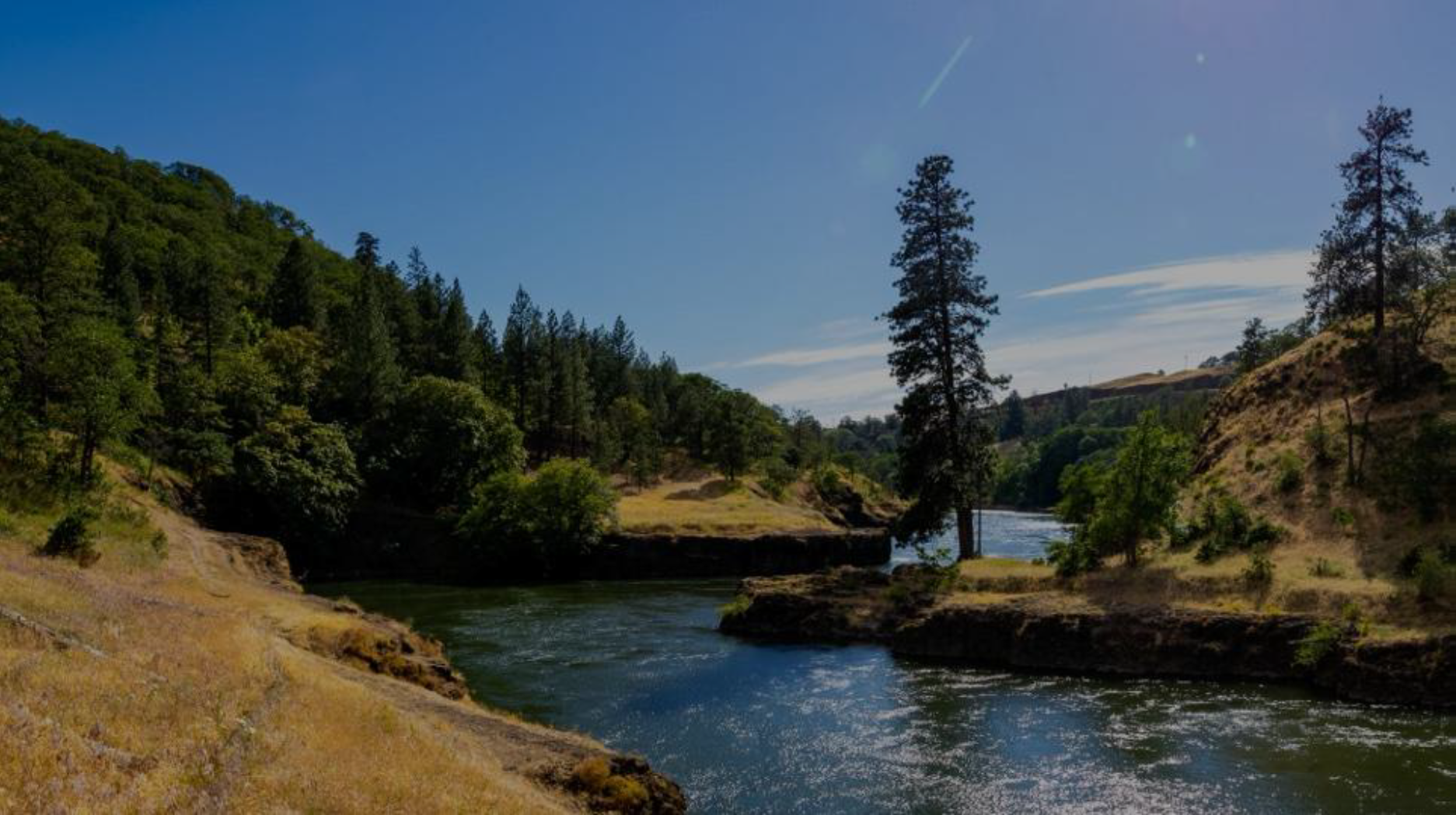
The University of Washington’s Thermal History of Regulated Rivers (THORR) tool transforms NASA’s Landsat satellite imagery into current and historical river temperature insights. George Darkwah shared how advanced data-driven techniques enable accessible mapping of water temperatures across remote streams—vital for salmon survival. This open-source platform can provide managers with actionable information to support dam operations, habitat restoration, and climate adaptation planning. For example, the Columbia River Inter-Tribal Fish Commission is applying these insights to improve riverine water management towards fish abundance, illustrating THORR’s broader potential to guide sustainable water and fisheries decisions.
Assessing effects of multiple climate change stressors on marine invertebrates and developing mitigation techniques to minimize impacts 07.08.25
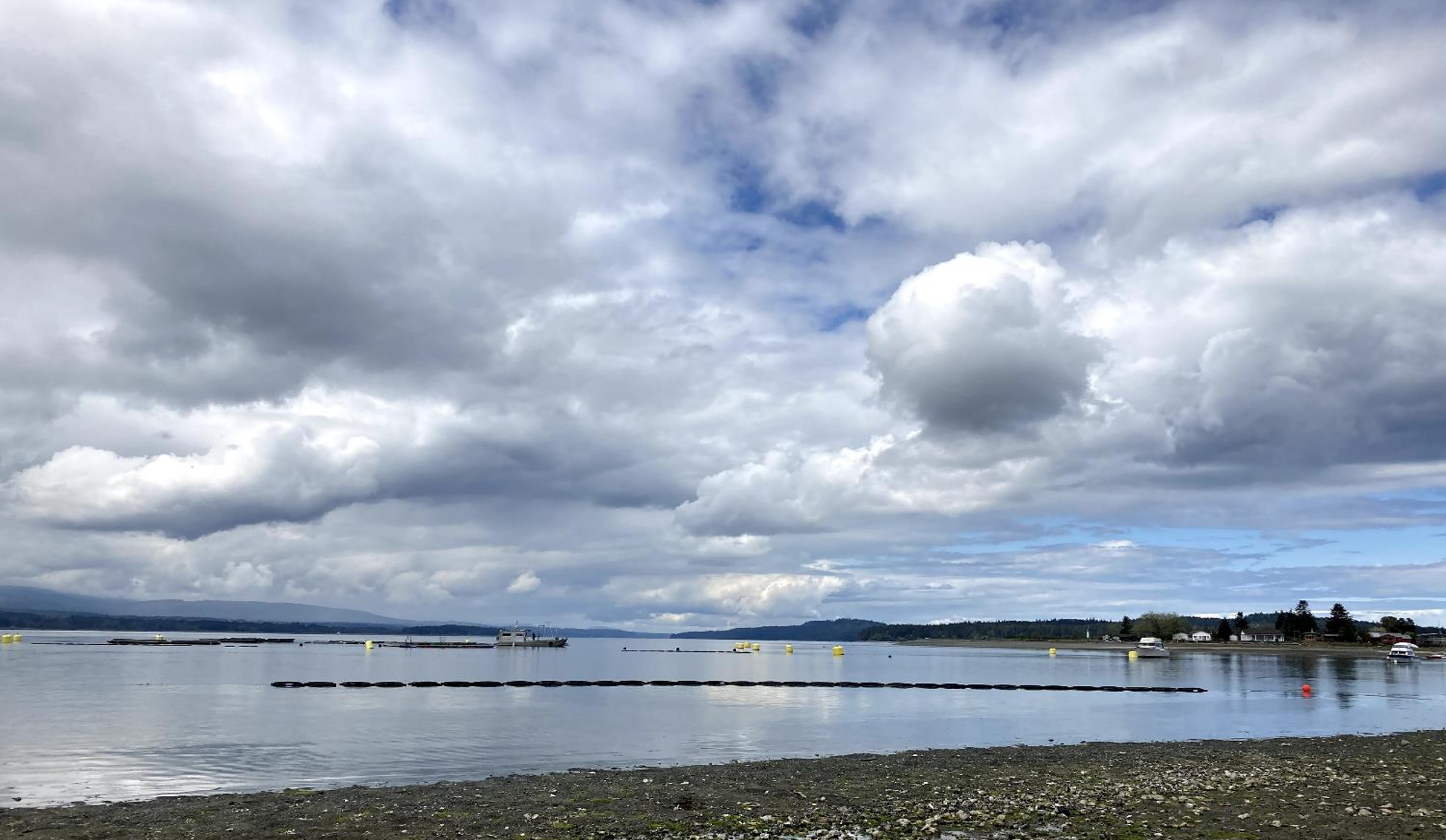
Climate change is leading to increasingly warmer oceans that are also more acidic, less oxygenated, and with lower salinity (among other changes). The resultant impacts on marine organisms will depend on the rate, level, and variability of change of individual stressors and how effectively the animals can deal with these shifts. Moreover, multiple stressors are likely to interact and potentially change how organisms respond, in comparison to single stressors presented in isolation. Chris Pearce (DFO) presented recent research conducted in DFO’s Pacific Region to examine multi-stressor impacts on a variety of marine invertebrates (Pacific oysters, pteropods, Pacific razor clams) of ecological, commercial, and indigenous importance in British Columbia and Washington State. He also presented work on various technologies they have been examining to help commercial shellfish growers mitigate these impacts.

Innovation in ecotoxicology: integrating next-generation chemical and biological tools 06.03.2025
Dr. Markus Brinkmann explored advanced methods in ecotoxicology, specifically high-resolution mass spectrometry (HRMS) and integrated chemical and biological analyses. He demonstrated how HRMS technology helps scientists characterize the diversity of chemical contaminants and their environmental transformation products affecting aquatic organisms. By analyzing biological samples, we can identify which compounds are bioavailable, as well as their biotransformation products, enhancing our understanding of their impacts on aquatic life. Integrated approaches that combine these assessments with molecular analyses, such as transcriptomics, provide deeper insights into contaminant dynamics and their ecological effects, ultimately aiding environmental risk assessment and management.

Transboundary threats European green crab in the Salish Sea 05.13.25
Dr. P. Sean McDonald (University of Washington) and Dr. Thomas Therriault (Fisheries and Oceans Canada) bring nearly 50 years of combined expertise in the science and management of invasive European green crab (EGC). Their presentation delved into the challenges posed by EGC in the transboundary waters of the Salish Sea, highlighting ongoing science into the species’ detrimental effects on native species and habitats, as well as threats to cultured and wild shellfish resources. Contextualized by a brief summary of EGC larval connectivity by Dr. Lily Engel (Pacific Northwest National Laboratory), they discussed coordinated strategies for early detection, rapid response, and ongoing measures aimed at mitigating the ecological and economic impacts of this invasive species in the shared waters of the Salish Sea.

Offshore renewable energy in the Pacific & potential benthic impacts 04.07.25
Dr. Sarah Henkel is a benthic ecologist at the Hatfield Marine Science Center and Associate Director of the Pacific Marine Energy Center at OSU. She presented on the history and current status of wave, tidal, and wind energy projects on the Pacific coast and provided an overview of studies she has conducted to assess potential effects of offshore renewable energy on benthic habitats and species including seafloor surveys, tracking fish responses to ship noise, and animal responses to EMF in the lab.
A tale of three Auks: Seabird patterns and population change in the Salish Sea 02.04.25
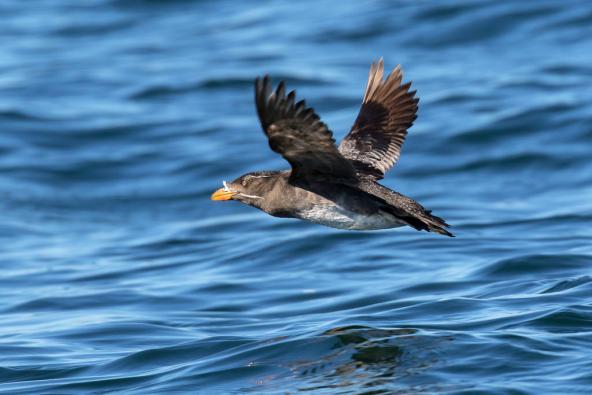
The Tufted Puffin, Marbled Murrelet and Rhinoceros Auklet are all in the same family (Alcidae), but show different seasonal dependencies on the Salish Sea. In addition, their nesting strategies differ and their diets overlap only somewhat. Scott Pearson from Washington Department of Fish & Wildlife used data from at-sea surveys and nesting colony-based studies to compare and contrast these three alcids, showing how their differences manifest in diverging population trends, and providing an overview of their status in the region with insights into potential population threats.
Hindcasting the pulse of the Salish Sea: Insights from ‘end-to-end’ ecosystem modeling of the Strait of Georgia using NEMO-ECOSPACE 01.07.25
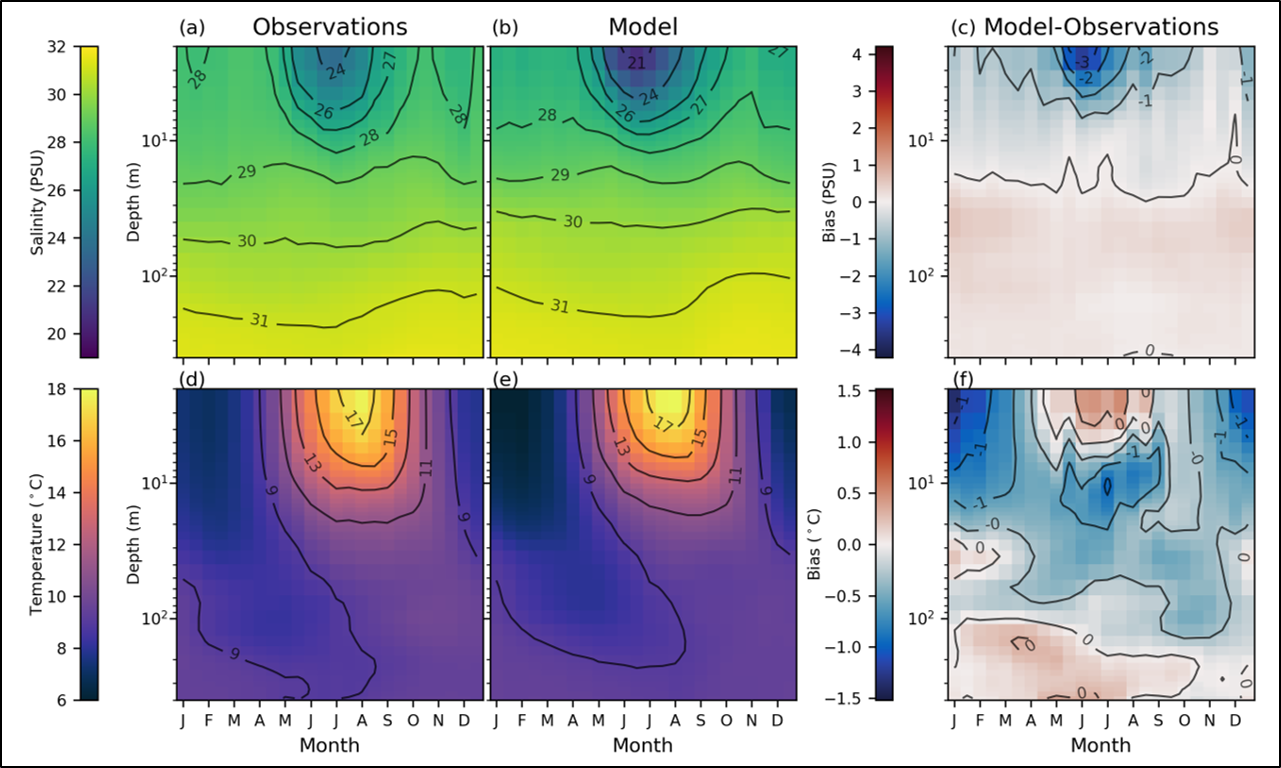
How have ocean conditions, lower trophic level dynamics, and species interactions shaped the Strait of Georgia’s marine ecosystem over the past 40 years? What long-term changes can we anticipate in the future? Greig Oldford with Fisheries & Oceans Canada highlighted insights generated via integration of the Ecospace ecosystem model with a custom NEMO-based oceanographic hindcast. This ‘End-to-End’ model is being used to evaluate hypotheses scoped by the Canada-US Salish Sea Marine Survival Project (SSMSP) related to synergistic effects of predation, prey availability, habitat, competition, and other factors on the productivity of Pacific salmon. The potential for decadal-scale ecosystem forecasting will also be highlighted.
2026
- Hatchery effects on trait variation in Pacific salmon 06.30.26 Slides | Recording
- 36 Years of repeated photo-monitoring after the Exxon Valdez oil spill 04.14.26 Slides | Recording
- The impacts of commercial anchoring in British Columbia 03.10.26 Slides | Recording
- Beavers as partners in restoration: A look inside the Tulalip Beaver Project 02.10.26 Slides | Recording
2025
- Partnership in science and stewardship: The səlilwətaɬ / Tsleil-Waututh Nation and Fisheries & Oceans Canada collaborations in Burrard Inlet 12.02.25 Slides | Recording
- Mapping river temperatures from space 10.07.25 Slides | Recording
- Assessing effects of multiple climate change stressors on marine invertebrates and developing mitigation techniques to minimize impacts 07.08.25 Slides | Recording | Shared Resources
- Innovation in ecotoxicology: integrating next-generation chemical and biological tools 06.03.25 Slides | Recording
- Transboundary threats European green crab in the Salish Sea 05.13.25 Slides | Recording
- Offshore renewable energy in the Pacific & potential benthic impacts 04.07.25 Slides | Recording
- A tale of three Auks: Seabird patterns and population change in the Salish Sea 02.04.2025 Slides | Recording
- Hindcasting the pulse of the Salish Sea: Insights from ‘end-to-end’ ecosystem modeling of the Strait of Georgia using NEMO-ECOSPACE 01.07.25 Slides | Recording
2024
- Cumulative effects evaluation for salmon restoration: merging data and using causal analysis to address hypotheses in the Whidbey Basin 12.03.24 Slides | Recording
- Next generation urban greening 11.05.24 Slides | Recording
- Using genomics to predict Chinook salmon responses to climate change 10.01.24 Slides | Recording
- Sea level rise resiliency 09.03.24 Slides | Recording
- Enhancing climate change planning & adaptive management in marine protected areas 06.04.24 Slides | Paper | Recording
- eDNA in the Salish Sea 05.07.24 Slides | Recording
- Modeling to strategically manage groundwater and stream flows 04.02.24 Slides | Recording
- The science behind evidence-based hope and strategies for countering climate doomism 03.05.24 Key resources
- Cumulative effects on Southern Resident Killer Whales and contaminants of emerging concern 02.06.24 Slides | Follow-up Resources | Recording
2023
- Update on the Salish Sea Marine Survival Project 12.5.23 Slides | Recording
- Emerging salmon science with Fisheries and Oceans Canada 11.7.23 Chrys’ Slides | Tanya’s Slides | Recording
- Climate-ready fisheries & modeling 10.3.23 Slides | Overview | Paper | Recording
