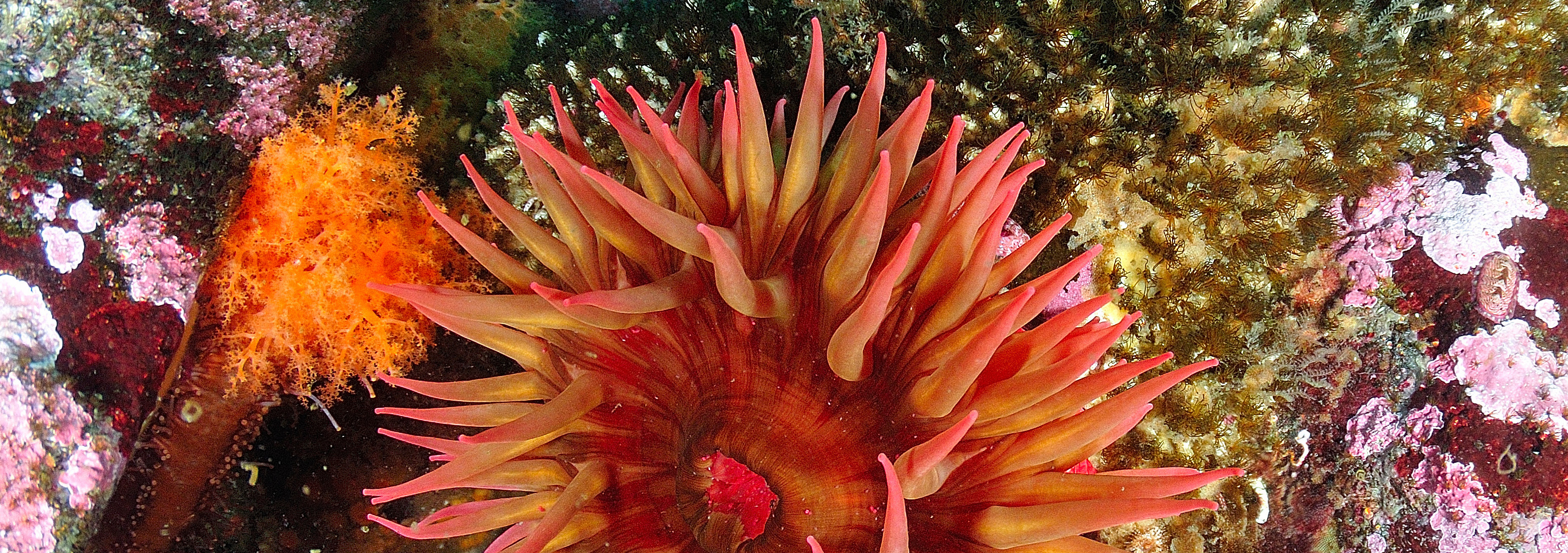
In recent decades, hundreds of millions of dollars have been spent to restore habitat for Puget Sound salmon. This month, PSI senior writer Christopher Dunagan looks at how scientists are gauging their progress. Are environmental conditions improving or getting worse? The answer may depend on where you look and who you ask. Read the article […]
July 31, 2017
 ">
"> Salmon council debates new priorities proposed by tribes
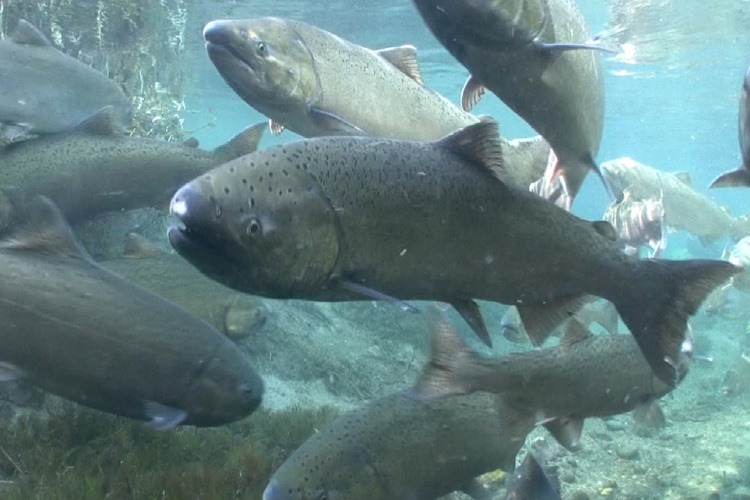
By Jeff Rice The Puget Sound Partnership’s Salmon Recovery Council last Thursday gave preliminary approval to six of the seven proposed recovery priorities known as “bold actions” to improve Chinook salmon numbers in Puget Sound. One of the actions calling for “a net gain in ecosystem function and habitat productivity” for salmon was tabled for […]
July 21, 2017

House committee approves funding for Puget Sound cleanup
Bucking a proposed White House budget that would have cut EPA’s Puget Sound funding entirely, the House Appropriations Committee on Tuesday voted to approve $28 million for Puget Sound in fiscal year 2018. The amount matches last year’s appropriation for the region, although the bill still faces a vote on the House floor. The Senate […]
July 17, 2017
Shoreline armoring puts flood insurance at risk
By Jeff Rice, Puget Sound Institute Communities across Puget Sound must consider salmon-safe alternatives to shoreline armoring or risk losing their flood insurance, according to requirements established by FEMA’s National Flood Insurance Program. The requirements stem from a Biological Opinion issued by NOAA in 2008 finding that shoreline armoring and other development in the floodplain […]
June 29, 2017
Update: Killer whale miscarriages linked to low food supply
Our 2016 article “Killer whale miscarriages linked to low food supply” provided an early look at a study published this week in the journal PLOS ONE. PSI senior writer Christopher Dunagan wrote the article based on research that was presented at the 2016 Salish Sea Ecosystem Conference, and it remains a helpful summary of the […]
June 19, 2017
Eelgrass declines pose a mystery
New in Salish Sea Currents: Scientists want to know why eelgrass is on the decline in some areas of Puget Sound and not others. The answer will affect future strategies for protecting one of the ecosystem’s most critical saltwater plants. Read the full story from contributing writer Rachel Berkowitz in the Encyclopedia of Puget Sound.
May 26, 2017
‘Bold actions’ to save Puget Sound salmon gain qualified support
The Puget Sound Salmon Recovery Council wants the opportunity to clarify the meaning of a new tribal proposal. By Christopher Dunagan, Puget Sound Institute Native American tribes in the Puget Sound region are calling for “bold actions” to reverse the decline of Puget Sound Chinook salmon, listed as threatened under the Endangered Species Act. Such […]
May 26, 2017
Saving the last estuaries
When rivers spill into Puget Sound, they provide some of the most productive habitat in the ecosystem. The ebb and flow of the tides creates a perfect mix of fresh and salt water critical for young salmon. But over the past 100 years, the region’s tidal wetlands have declined by more than 75%. A coalition of […]
May 11, 2017
Identifying chemical suspects in stormwater
Scientists know this much about stormwater: It can be extremely toxic. It can kill exposed fish such as coho salmon within hours. But figuring out exactly what is in stormwater has been a complex puzzle that has so far confounded scientists. Many of the chemical compounds in it remain unidentified. Is there such a thing as typical […]
May 11, 2017
Herring talk May 15th at UWT
PSI’s Tessa Francis will be presenting a lecture on Puget Sound’s Pacific herring as part of the University of Washington Tacoma Environmental Seminar series on May 15th. The seminar is open to the public and will be held from 12:30 P.M. to 1:30 P.M. on the UWT campus in the Science Building in room SCI309. The talk will […]