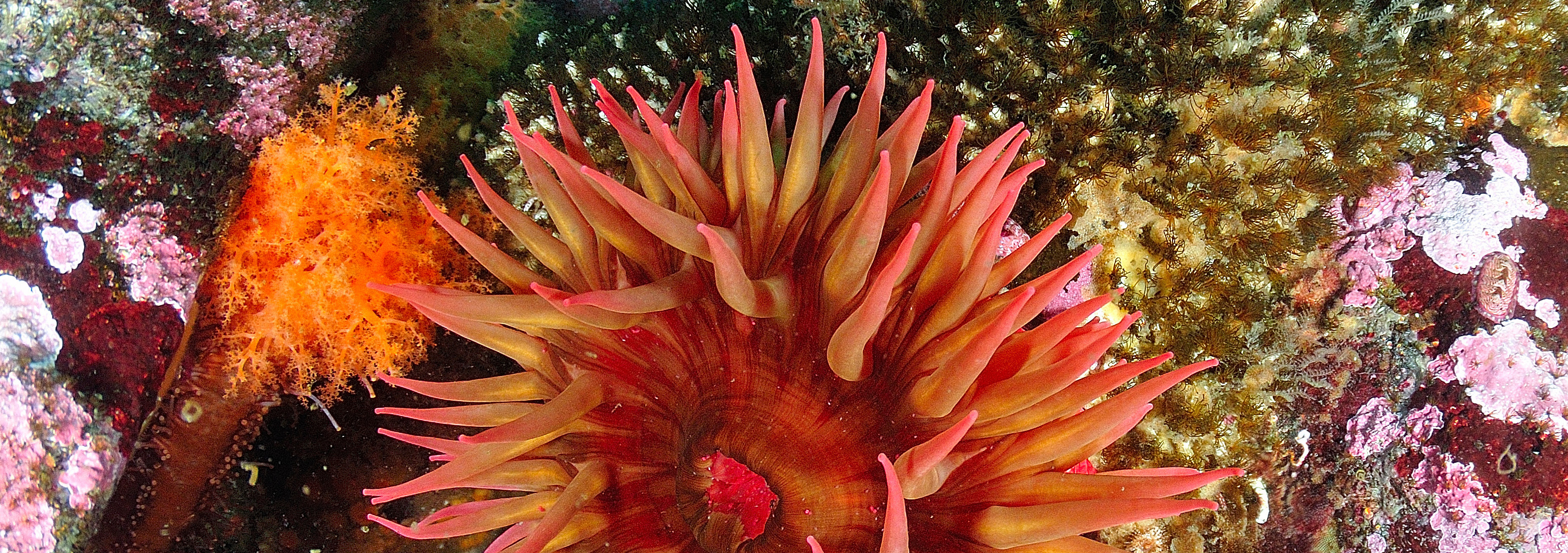
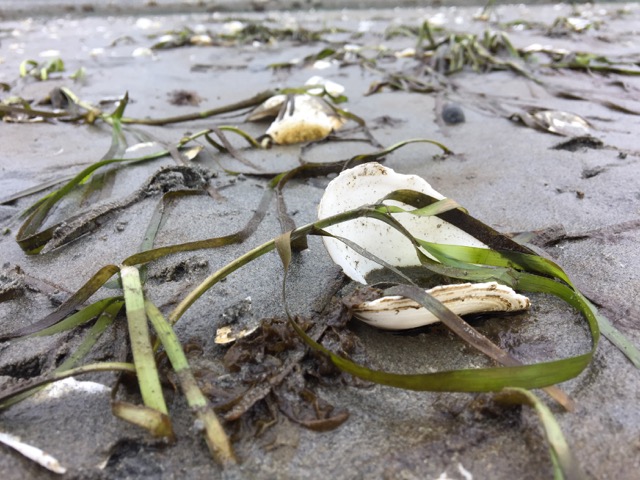
New studies show that eelgrass wasting disease is more common in warmer waters, leading to concerns over the future effects of climate change on eelgrass populations in Puget Sound. We continue our series on science findings from the 2018 Salish Sea Ecosystem Conference. Robin McLachlan reports for Salish Sea Currents.
May 15, 2018
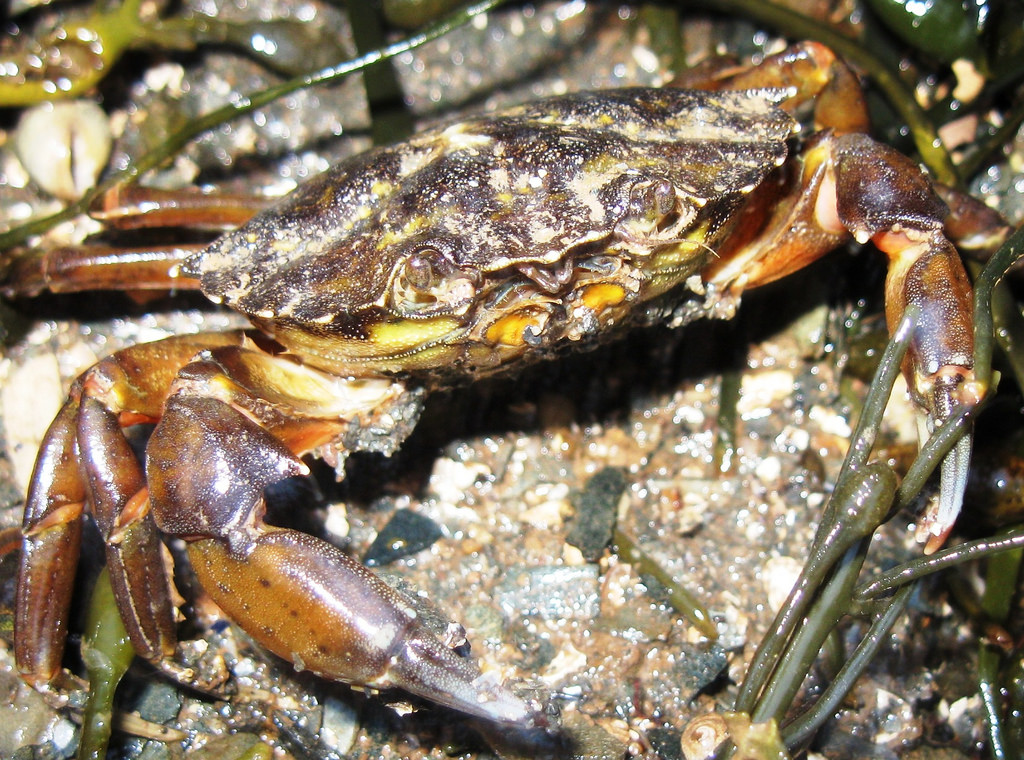
Where did the Puget Sound green crabs come from? We’re still not sure
Genetic testing shows that invasive European green crabs in Puget Sound likely did not come from the Sooke Basin in British Columbia as previously thought. New findings on the crab’s origins were presented at the 2018 Salish Sea Ecosystem Conference in Seattle. Scientists are looking at a variety of potential sources. Read the Story in […]
May 9, 2018
![Bay Mussels (Mytilus trossulus) on Edmonds Ferry Dock. Photo [cropped]: brewbooks (CC BY-SA 2.0) https://www.flickr.com/photos/brewbooks/8840874065](https://www.pugetsoundinstitute.org/wp-content/uploads/2018/05/8840874065_da3b29ce56_crop_1200.jpg)
Bay mussels in Puget Sound show traces of oxycodone
By Jeff Rice The opioid epidemic has now hit the waters of Puget Sound. State agencies tracking pollution levels in Puget Sound have discovered traces of oxycodone in the tissues of native bay mussels (Mytilus trossulus) from Seattle and Bremerton area harbors. The mussels were part of the state’s Puget Sound Mussel Monitoring Program. Every […]
October 5, 2017
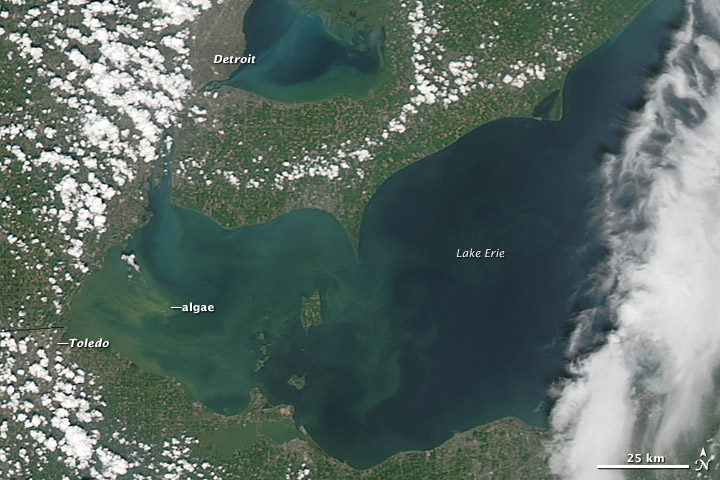
Puget Sound’s growing nutrient problem
By Jeff Rice, Puget Sound Institute First there was “The Blob” that fed last year’s massive algae bloom in the Pacific Ocean. Now there is another monster getting our attention. You might call it “The slime that ate Lake Erie.” The incredible images of Lake Erie’s expanding blanket of green show the familiar effect of […]
September 5, 2017

Measuring health and happiness in Puget Sound: a case study
The story of how PSI social scientist Kelly Biedenweg and her collaborators put together a list of human wellbeing indicators for Puget Sound is outlined in a new paper in the journal Ecology and Society. The paper is co-authored by Biedenweg with Kari Stiles of the Puget Sound Partnership and Haley Harguth of the Hood Canal Coordinating […]
August 25, 2017
PCBs in fish remain steady while other toxics decline
A new study shows a surprising decline in some toxic chemicals in Puget Sound fish, while levels of PCBs increased in some cases. Scientists say the study shows that banning toxic chemicals can work, but old contaminants remain a challenge as they continue to wash into Puget Sound. Read our story in Salish Sea Currents.
August 4, 2017
Are we making progress on salmon recovery?
In recent decades, hundreds of millions of dollars have been spent to restore habitat for Puget Sound salmon. This month, PSI senior writer Christopher Dunagan looks at how scientists are gauging their progress. Are environmental conditions improving or getting worse? The answer may depend on where you look and who you ask. Read the article […]
July 31, 2017
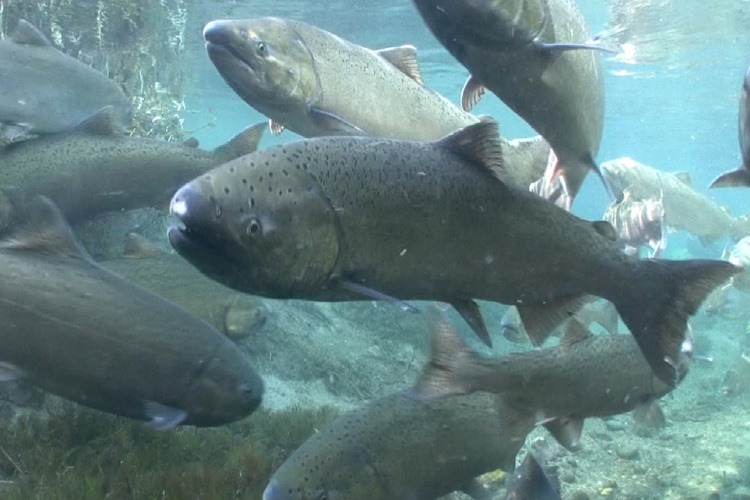
Salmon council debates new priorities proposed by tribes
By Jeff Rice The Puget Sound Partnership’s Salmon Recovery Council last Thursday gave preliminary approval to six of the seven proposed recovery priorities known as “bold actions” to improve Chinook salmon numbers in Puget Sound. One of the actions calling for “a net gain in ecosystem function and habitat productivity” for salmon was tabled for […]
July 21, 2017
House committee approves funding for Puget Sound cleanup
Bucking a proposed White House budget that would have cut EPA’s Puget Sound funding entirely, the House Appropriations Committee on Tuesday voted to approve $28 million for Puget Sound in fiscal year 2018. The amount matches last year’s appropriation for the region, although the bill still faces a vote on the House floor. The Senate […]
June 29, 2017
Update: Killer whale miscarriages linked to low food supply
Our 2016 article “Killer whale miscarriages linked to low food supply” provided an early look at a study published this week in the journal PLOS ONE. PSI senior writer Christopher Dunagan wrote the article based on research that was presented at the 2016 Salish Sea Ecosystem Conference, and it remains a helpful summary of the […]