
Puget Sound Institute research scientist Caitlin Magel is Co-PI on a collaboration with Washington Sea Grant to support the Willapa-Grays Harbor Estuary Collaborative (WGHEC). The project receives $599,533 over 3 years (2024-2027) with funding from NOAA’s Climate and Fisheries Adaptation (CAFA) program. Magel will co-develop a qualitative network model to support scenario planning, management strategies, and adaptation pathways […]
August 14, 2024

Gauging threats to kelp and eelgrass
The Puget Sound Institute and the Washington Department of Fish and Wildlife are leading a spatially explicit risk assessment of the current and future threats to eelgrass and floating kelp habitats in Puget Sound. The findings can be used to evaluate the distribution of burdens associated with habitat risk and inform management actions. As part […]
May 23, 2024

Take our survey, win a book!
We want to hear from you! Help us bring you the best possible science news about Salish Sea ecosystem recovery. The University of Washington Puget Sound Institute invites you to take a survey so we can learn more about your information needs. The survey should take about 3 minutes to complete and your responses will be […]
March 25, 2024
Speaker series continues with focus on groundwater and stream flow models
The Salish Sea Science Roundtable speaker series continues on Tuesday, April 2 from 12:30 – 1:30 pm. The talk is hosted by the Puget Sound Institute and will look at how the Suquamish Tribe is using models such as MODFLOW and VELMA to manage groundwater and stream flows. As climate change intensifies, more frequent heatwaves, reduced snowpack, […]
February 15, 2024
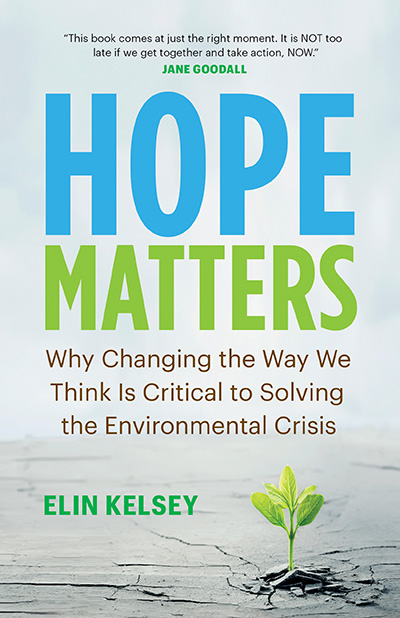
Author talk will counter “climate doomism”
The Salish Sea Science Roundtable speaker series continues on Tuesday, March 5th with a talk by Dr. Elin Kelsey, author of the book Hope Matters: Why Changing the Way We Think is Critical to Solving the Environmental Crisis. The talk will be hosted by the Puget Sound Institute and facilitated by the Salish Sea Institute […]
January 22, 2024
Cumulative effects on southern resident killer whales and contaminants of emerging concern
The Salish Sea Science Roundtable series continues on February 6th with a look at the possible cumulative effects of emerging contaminants on endangered killer whale populations. The online session will be hosted by the Puget Sound Institute and facilitated by Joe Gaydos, chief scientist at the SeaDoc Society. About the event: Southern resident killer whales […]
January 19, 2024

Summer internships at PSI
Calling all UW undergrads: PSI is offering three paid student internships this summer. The jobs are sponsored by UW’s EarthLab with openings in the fields of science communication, oceanography, and policy research. The positions at PSI include: An Editorial Assistant Intern to help with the development of articles for the Encyclopedia of Puget Sound and […]
November 29, 2023

Latest Puget Sound marine waters overview now available
Announcement from the Puget Sound Ecosystem Monitoring Program: Today, the Puget Sound Marine Waters Work Group of the Puget Sound Ecosystem Monitoring Program released the eleventh annual report on marine water conditions in Puget Sound. The report combines a wealth of data from comprehensive monitoring programs and provides a concise summary of what was happening […]
November 27, 2023
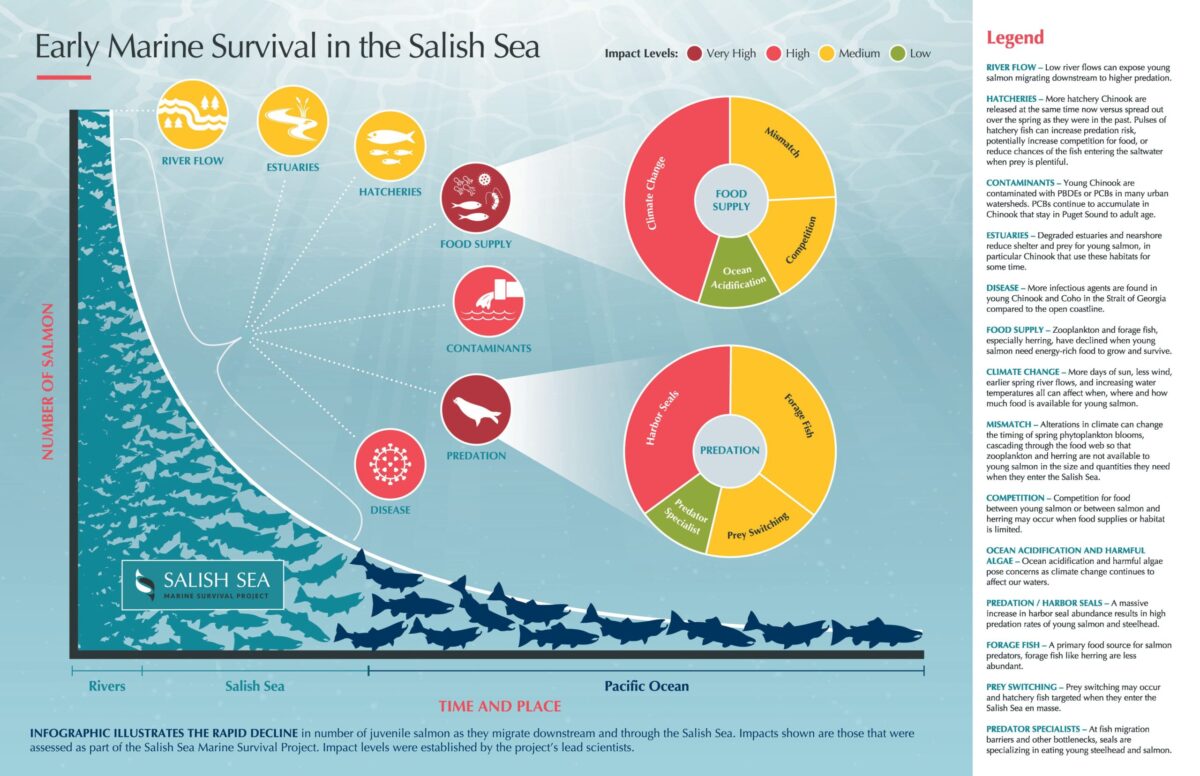
Upcoming event: Science roundtable continues with updates on Marine Survival Project
Join the next Salish Sea Science Roundtable on December 5th from 12:30 – 1:30 pm (PT) for an Update on the Salish Sea Marine Survival Project. The Salish Sea Marine Survival Project was a seven-year collaborative, international research effort focused on identifying factors affecting early marine survival of Chinook and coho salmon and steelhead in the Salish Sea. The […]
November 21, 2023

GAO report calls for strengthening of regulations on nonpoint source pollution
By Sarah DeWeerdt A new report by the nonpartisan Government Accountability Office (GAO) is renewing calls to strengthen Clean Water Act protections against nonpoint source pollution such as stormwater and agricultural runoff. The recommendation echoes findings made by the GAO in 2013 when it called for Congress to revise “largely voluntary” regulations for nonpoint pollution sources that wash […]