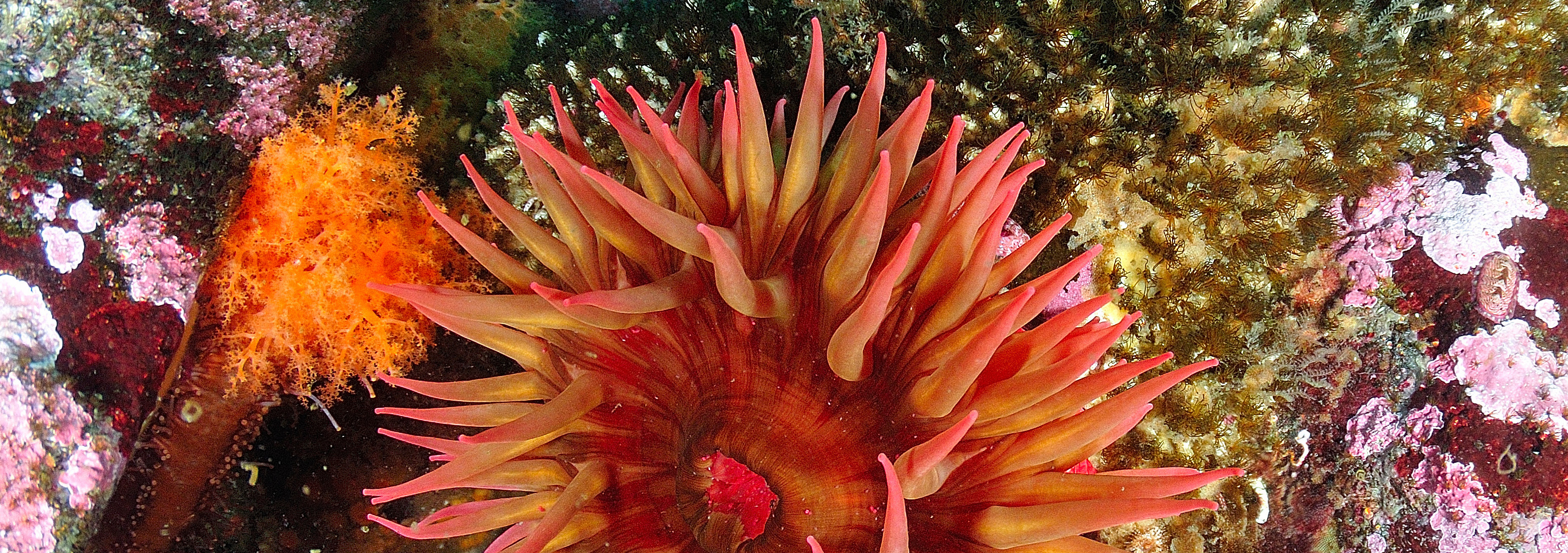
A story this week in Salish Sea Currents delves into the connection between environmental change and culturally important foods. Writer Sarah DeWeerdt interviewed social scientists at the 2016 Salish Sea Ecosystem Conference about how this affects the spiritual and physical health of Salish Sea tribes and first nations. “The loss of subsistence and cultural identity cannot […]
August 29, 2016

A comparative study of human well-being indicators across three Puget Sound regions
Puget Sound Institute social scientist Kelly Biedenweg has published a comparative study of three well-being indicators in the Puget Sound region. The article appears in the August issue of the journal Society & Natural Resources. Abstract: Simple frameworks that generalize the best metrics of human well- being related to the natural environment have rarely been empirically […]
August 19, 2016
The secret lives of forage fish: Where do they go when we aren’t looking?
Some of the most important fish in the Salish Sea food web are also the most mysterious. Researchers have only begun to understand how many there are, where they go, and how we can preserve their populations for the future. University of Washington researcher Margaret Siple reports on the secret lives of forage fish in […]
August 3, 2016
New in Salish Sea Currents: Invasive stowaways threaten Puget Sound ecosystem
Invasive species are among the three greatest threats to the environment worldwide, according to the International Union for Conservation of Nature. Species ranging from microscopic viruses to larger creatures like rodents and non-native fish can alter the balance of entire ecosystems. The threat is well-known in Puget Sound and the Salish Sea, which face their own unique challenges. This week, our […]
July 21, 2016
Killer whale miscarriages linked to low food supply
New techniques for studying orcas have been credited with breakthroughs in reproductive and developmental research. Drones and dogs are helping scientists connect declines in food supply with low birth rates and poor health. Read the story this week in Salish Sea Currents.
July 12, 2016
Salish Sea snapshots: Detecting harmful algal blooms
New technology may provide early detection of harmful algal blooms in Puget Sound. This toxic algae is expected to increase as the climate changes, bringing with it new and potentially more severe outbreaks of shellfish poisonings. Read the article by Rachael Mueller in Salish Sea Currents.
June 29, 2016
Mystery remains in deaths of young salmon
The Salish Sea Marine Survival Project has mobilized dozens of organizations in the U.S. and Canada to find an answer to one of the region’s greatest mysteries. What is killing so many young salmon before they can return home to spawn? A series of talks at the 2016 Salish Sea Ecosystem Conference brought together some of the latest […]
June 28, 2016
Advances in technology help researchers evaluate threatened Puget Sound steelhead
New, smaller acoustic tags will allow scientists to track steelhead migrations in Puget Sound in ways that were once impossible. Will this new technology provide answers to the mysterious decline of these now-threatened fish? Read the article in Salish Sea Currents.
June 17, 2016
Contaminants higher in resident blackmouth Chinook
Many of Puget Sound’s chinook salmon spend their entire lives in local waters and don’t migrate to the open ocean. These fish tend to collect more contaminants in their bodies because of the sound’s relatively high levels of pollution. Read the article in Salish Sea Currents.
June 3, 2016
Salish Sea ‘slime’ vital for shorebirds
It turns out that a gooey substance known as biofilm is a big deal for Salish Sea shorebirds, providing critical food for some species. But could a proposed port expansion in Vancouver threaten this slimy resource? Read the latest article in Salish Sea Currents.