 ">
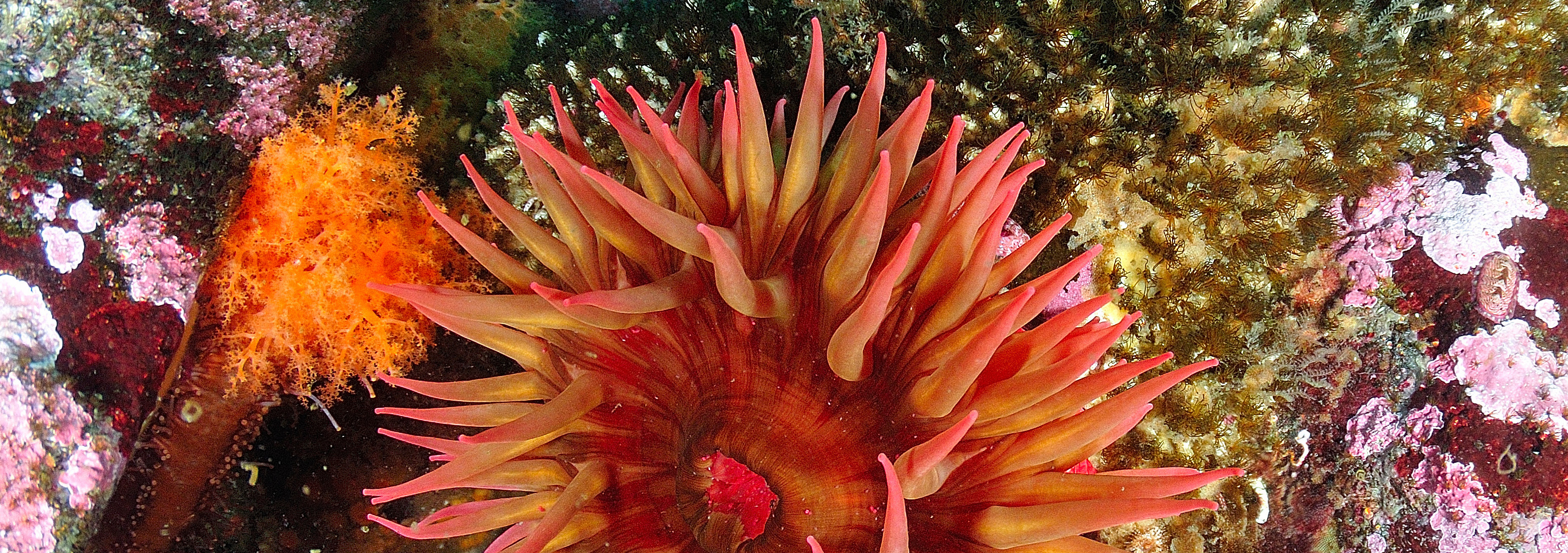
"> Are you a student interested in science journalism? PSI has a great opportunity for up to five student writers to help us report science stories from the April 4-6 Salish Sea Ecosystem Conference in Seattle. Students will receive free conference admission as well as a $125 stipend in exchange for in-depth reporting on selected presentations […]
February 5, 2018
 ">
"> New Puget Sound herring research
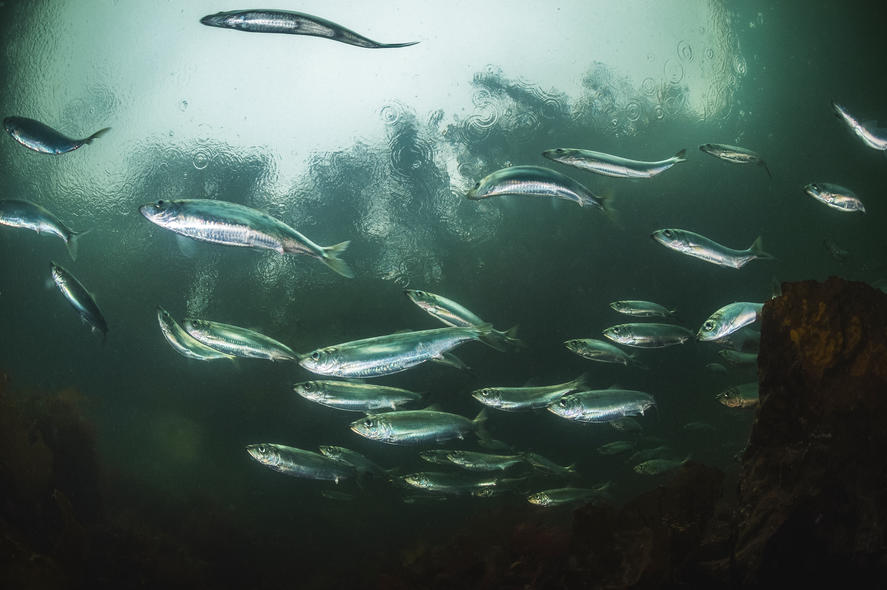
Herring may not be the most charismatic species in Puget Sound. They don’t breach dramatically out of the water. Fish mongers don’t throw them through the air at Pike Place Market. They find their strength in numbers, schooling around by the thousands and serving as food for other creatures like seabirds, salmon and seals. But […]
February 1, 2018
 ">
"> PSI sponsoring wide range of sessions at SSEC
Five members of the Puget Sound Institute are leading sessions at the Salish Sea Ecosystem Conference to be held April 4-6, 2018 in Seattle. Session leaders play a critical role bringing together multiple abstract presenters or panelists around a specific theme. SSEC 2018 currently has 94 sessions planned. Learn more about PSI-led sessions: Strategic Recovery: […]
January 29, 2018
 ">
"> PSI welcomes Tanya Roberts as Research Scientist
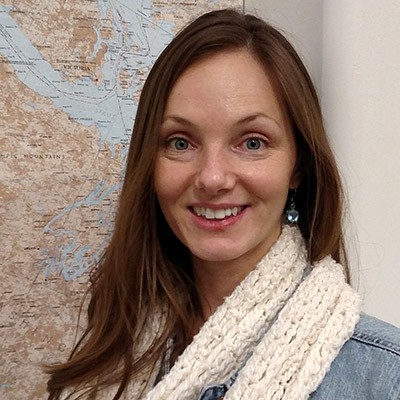
Tanya Roberts is PSI’s newest research scientist, and comes to us from the Washington State Department of Ecology’s Environmental Assessment Program. While with Ecology (2005–2012; 2016–2017), Tanya worked with teams monitoring natural resources throughout the state, assessing groundwater, forest streams, and toxics, as well as serving as a data coordinator for a variety of Ecology […]
January 29, 2018
 ">
"> Dispatches: Herring rescue
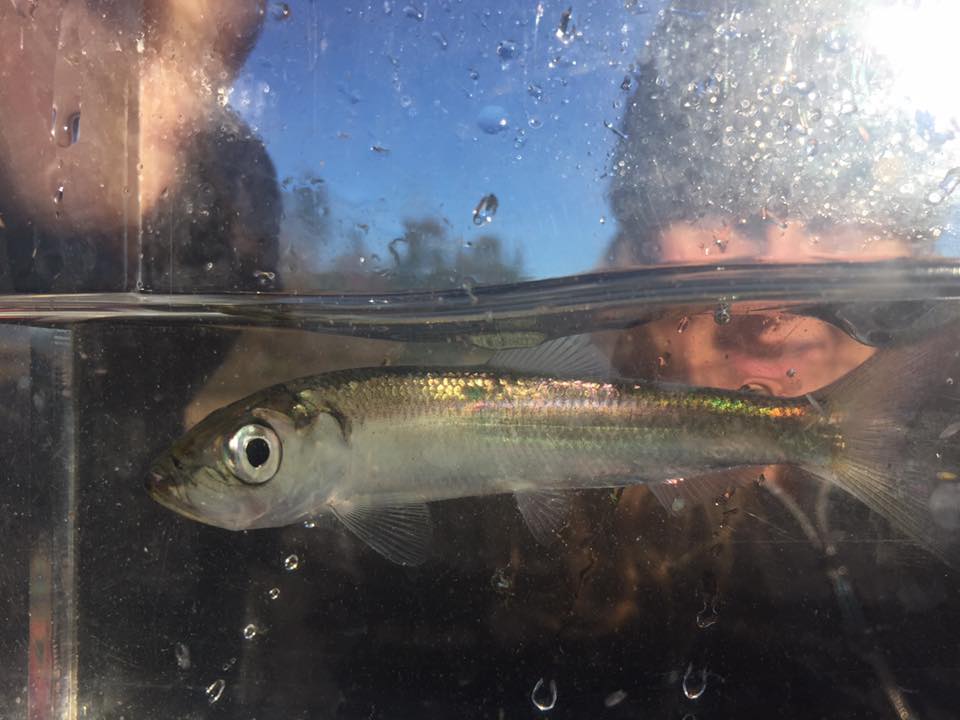
A Puget Sound scientist’s work is never done. PSI’s Lead Ecosystem Ecologist Tessa Francis sent us this e-mail about a recent call to identify some wayward fish on Vashon Island. It didn’t hurt that she happens to study the same species of fish — Pacific herring — as part of her research at PSI. By Tessa […]
January 18, 2018
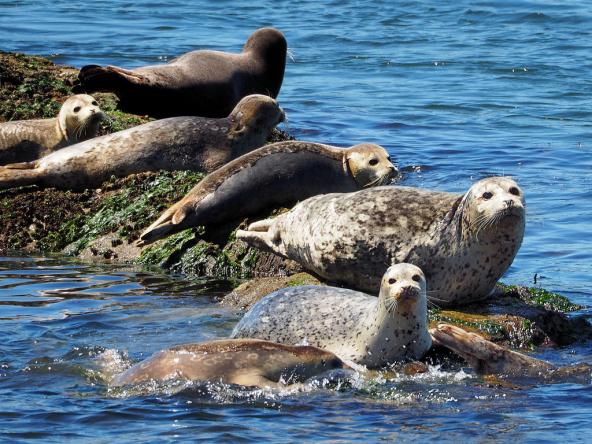 ">
"> Study would explore changes to protections for seals and sea lions
As wildlife managers work to recover Puget Sound’s diminished Chinook population, a proposed white paper is expected to review the impacts of some of the salmon’s chief predators. The study would include a section on potential management of seals and sea lions, prompting open discussion of a long taboo subject: Could officials seek to revise […]
January 5, 2018
Study looks at climate change impacts on zooplankton
PSI’s Lead Ecosystem Ecologist Tessa Francis is co-author of a paper describing the impacts of climate change on freshwater zooplankton communities. The 2017 paper in the journal Climate Change Responses analyzes plankton communities in an Alaskan lake and predicts that some copepods in the study area will decline while other plankton such as cladocerans will […]
December 21, 2017
Local actions highlight ocean acidification report
By Christopher Dunagan, Puget Sound Institute The dangers of ocean acidification — an intrinsic feature of climate change — are coming early to Washington state, causing measurable harm to sea life, according to a new report that outlines a state strategy for pushing back against the problem. The report, titled “Ocean Acidification: from knowledge to […]
December 6, 2017
What makes stormwater toxic?
Stormwater may be Puget Sound’s most well-known pollutant, and at the same time its least known. While the state has called stormwater Puget Sound’s largest source of toxic contaminants, scientists are still having a tough time answering two basic questions about it: What is stormwater, exactly, and what does it do? Our magazine Salish Sea […]
December 1, 2017
The perils of holiday glitter
By Jeff Rice, Puget Sound Institute You might want to think twice before adding that extra bit of sparkle this holiday season. A growing number of environmental activists and scientists are saying it’s time to hold the glitter. PSI Director Joel Baker is quoted this week in The New York Times on the connection between glitter […]