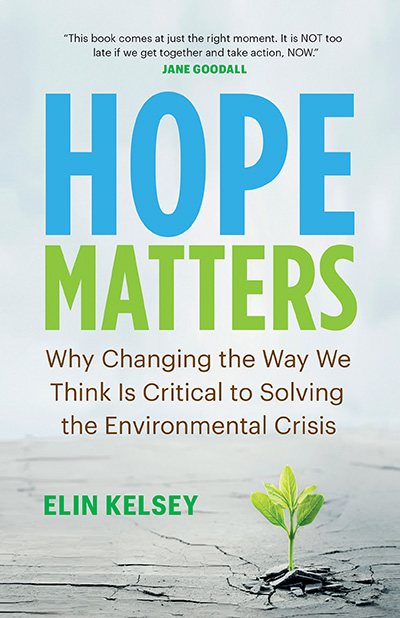
The Salish Sea Science Roundtable speaker series continues on Tuesday, March 5th with a talk by Dr. Elin Kelsey, author of the book Hope Matters: Why Changing the Way We Think is Critical to Solving the Environmental Crisis. The talk will be hosted by the Puget Sound Institute and facilitated by the Salish Sea Institute […]
January 22, 2024
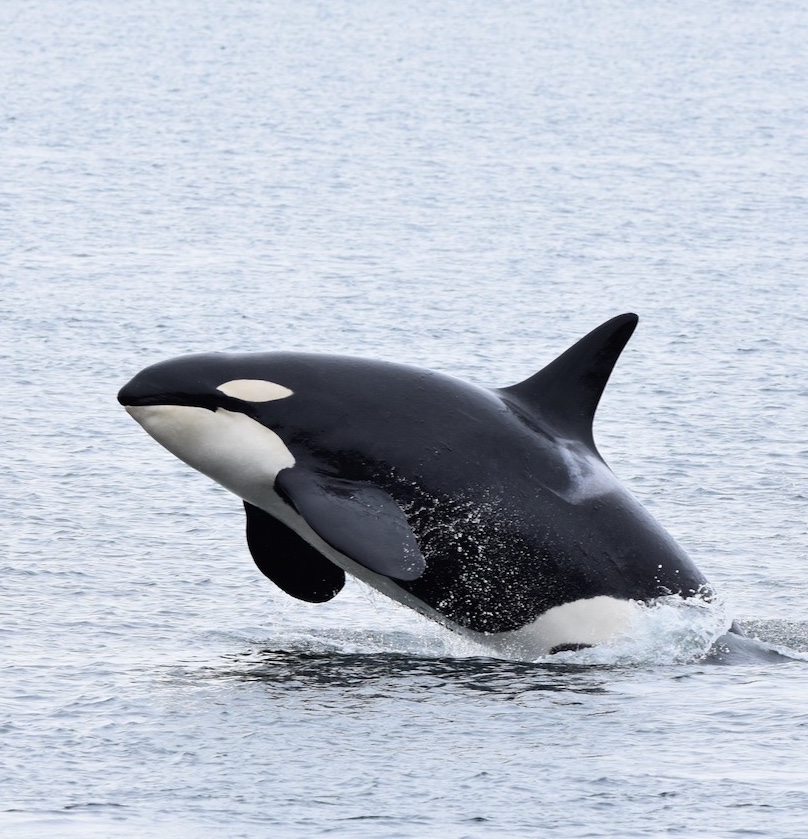
Cumulative effects on southern resident killer whales and contaminants of emerging concern
The Salish Sea Science Roundtable series continues on February 6th with a look at the possible cumulative effects of emerging contaminants on endangered killer whale populations. The online session will be hosted by the Puget Sound Institute and facilitated by Joe Gaydos, chief scientist at the SeaDoc Society. About the event: Southern resident killer whales […]
November 27, 2023
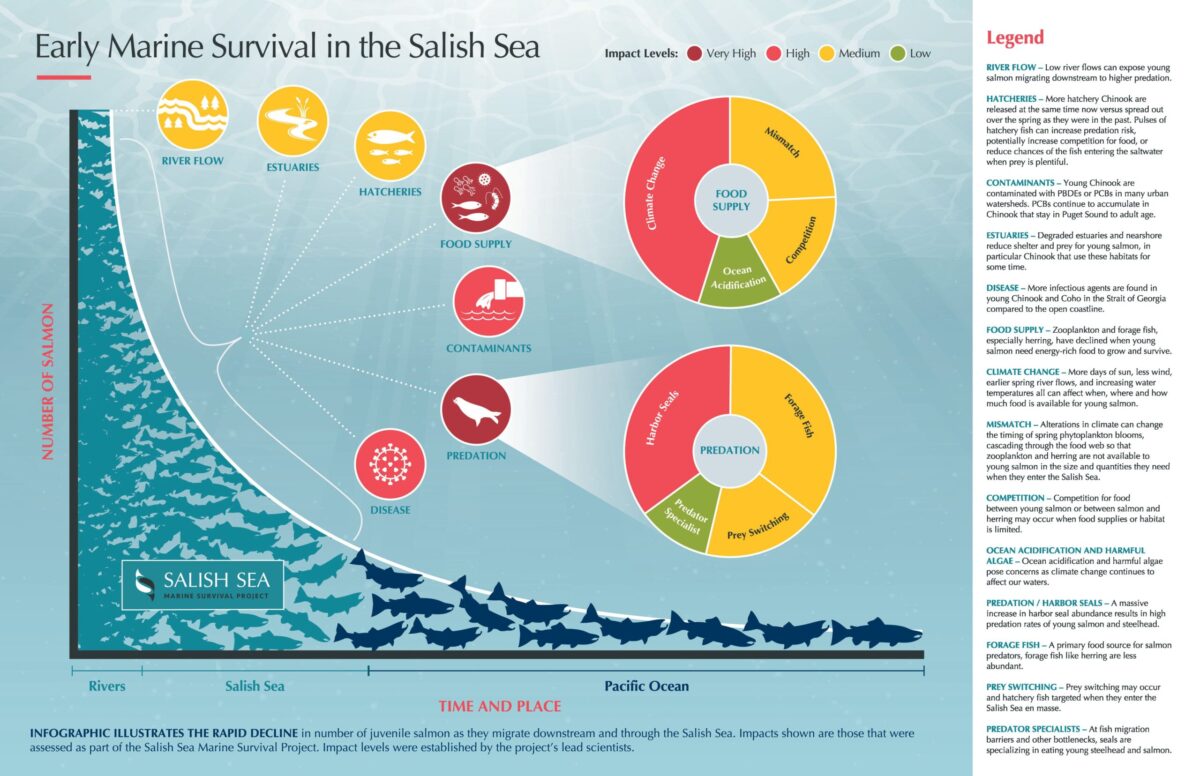
Upcoming event: Science roundtable continues with updates on Marine Survival Project
Join the next Salish Sea Science Roundtable on December 5th from 12:30 – 1:30 pm (PT) for an Update on the Salish Sea Marine Survival Project. The Salish Sea Marine Survival Project was a seven-year collaborative, international research effort focused on identifying factors affecting early marine survival of Chinook and coho salmon and steelhead in the Salish Sea. The […]
October 25, 2023
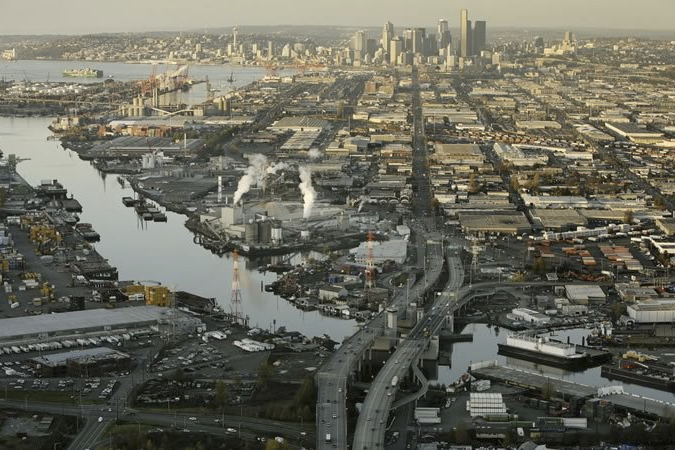
PCBs in building materials
On Wednesday, November 1st, the Puget Sound Institute will host its third symposium on PCBs in regional waterways. The online symposium will include a national discussion about the management of PCBs in building materials. Speakers will include: The symposium takes place on November 1, from 9 am – 12:30 pm PT / 12 – 3:30 […]
October 24, 2023
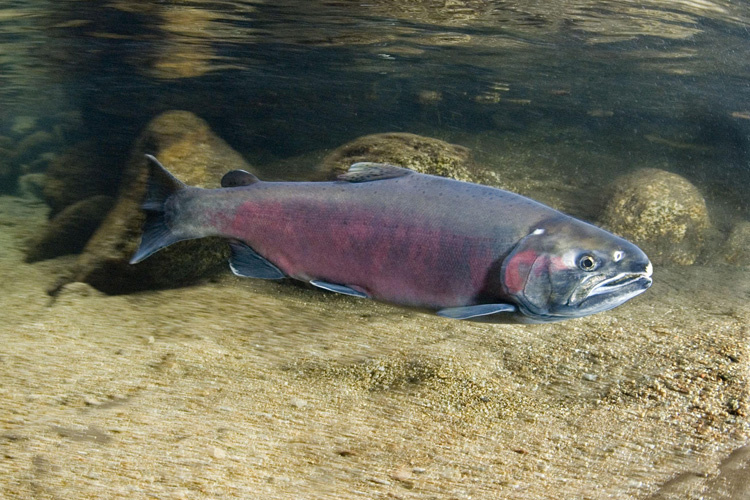
Next Salish Sea Science Roundtable will focus on coho salmon
Join the next Salish Sea Science Roundtable 11.7.2023 from 12:30 – 1:30 pm PT Emerging Salmon Science with Fisheries and Oceans Canada Chrys Neville Program Head – Salmon Marine Interactions Program, REEF/ESDThe story of coho salmon in the Strait of Georgia is complex. Historically it supported a very lucrative recreational fishery. However, the fishery collapsed in the 1990s […]
September 21, 2023
Salish Sea Science Roundtable begins in October
While there are often opportunities to go deep in our respective fields, breakthroughs can come from unexpected connections and interdisciplinary discussions. The Salish Sea Science Roundtable is a virtual monthly seminar inspired by just that. UW Puget Sound Institute is co-convening the roundtable with several organizations, including Fisheries and Oceans Canada. Each month we’ll connect to […]
June 12, 2023
Second PCB symposium focuses on source identification and tracking
This Thursday, June 15th, the Puget Sound Institute will host the second in a series of symposiums focusing on contaminant PCBs in regional waterways. The program will include three case studies about PCB source tracking in San Francisco Bay, the Newton Creek Superfund site, and Anacostia River & Lower Beaver Dam Creek. The presentations will […]
February 14, 2023
Symposium grapples with long-lasting PCBs
Researchers at the Puget Sound Institute hosted a two-day symposium last month to share information about the science and management of PCBs in the environment. The online workshops, held January 24th and 25th, were organized by PSI researchers Andy James, Joel Baker, and Marielle Larson, in coordination with colleagues Will Hobbs (Washington State Department of […]
October 5, 2022
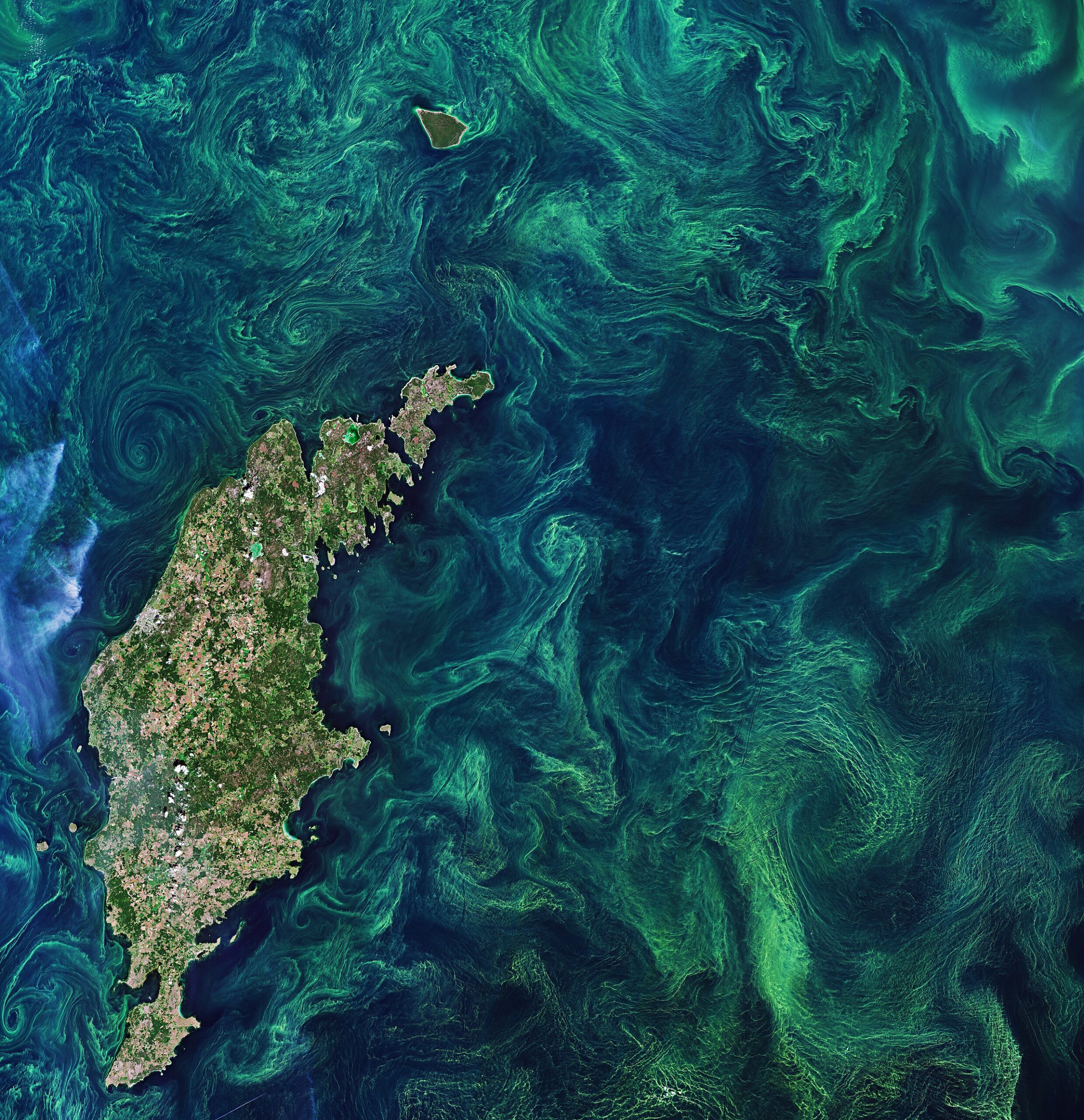
Workshop series continues with a look at nutrient pollution in the Baltics
Find out how researchers in the Baltic Sea are tackling some of the same issues facing Puget Sound. Jacob Carstensen of the Baltic Nest Institute will be speaking at our next online workshop. He’ll talk about his region’s responses to nutrient pollution. The image shown above, although pretty, is an example of how excess nutrients […]
September 25, 2022
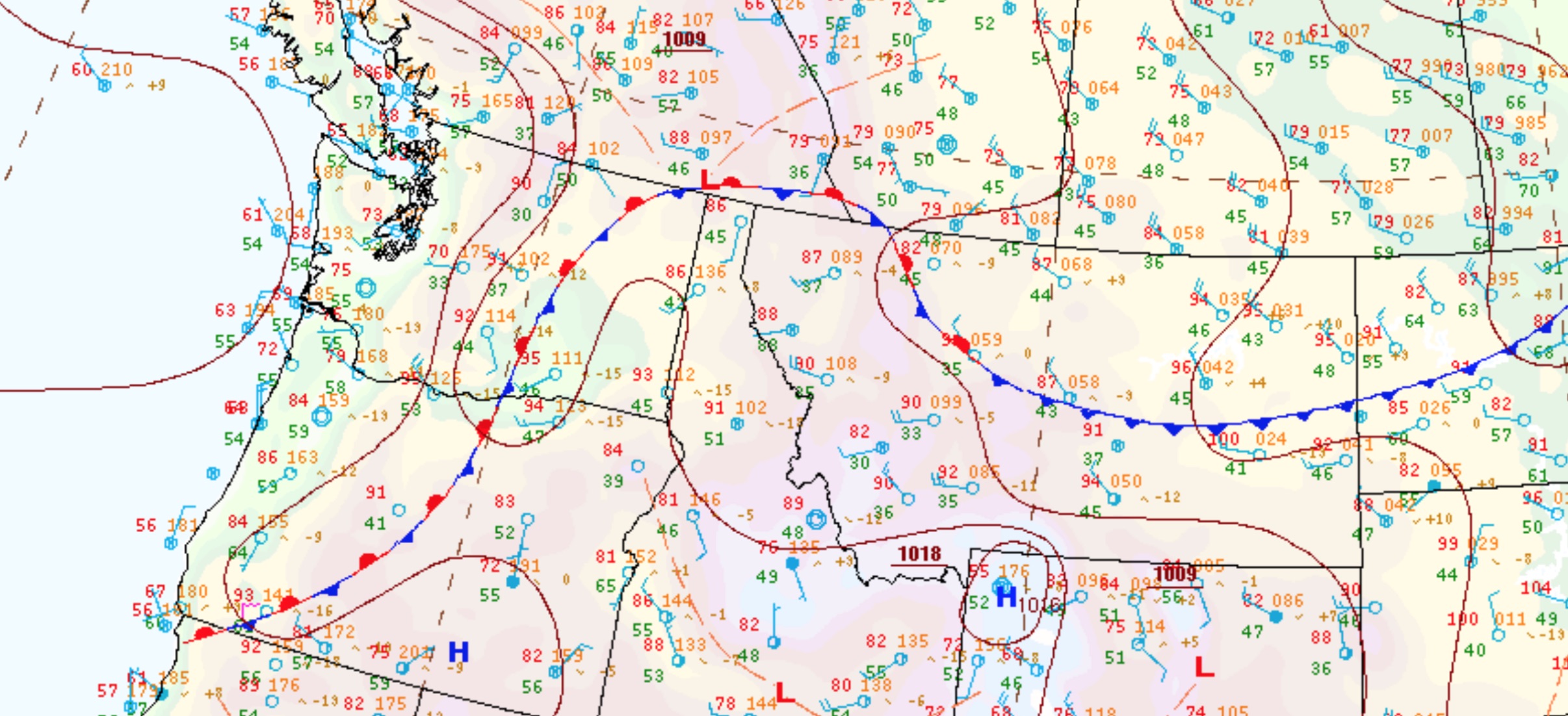
Six things that people should know about ecosystem modeling and virtual experiments
The Puget Sound Institute is facilitating a series of online workshops and discussions to explore the technical uncertainties related to the science of Puget Sound water quality. As part of the project, we are publishing informational blogs and articles, including this look at how computer models are becoming increasingly important to our understanding of the natural world. The project is […]