 ">
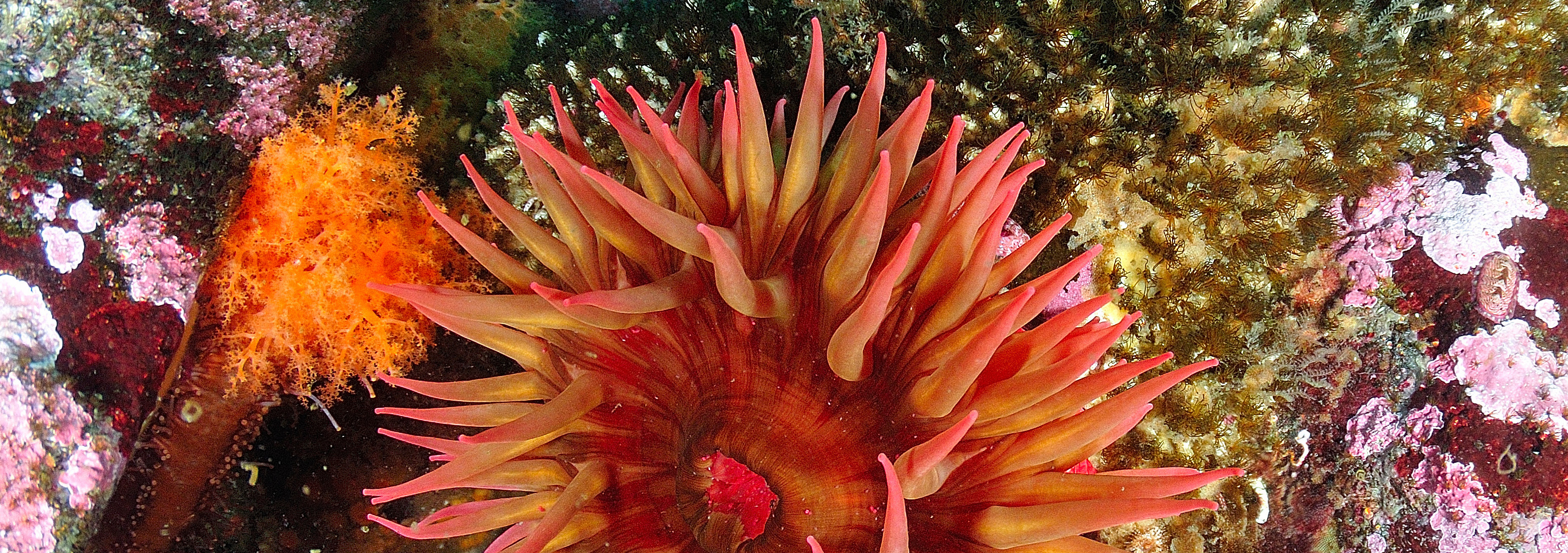
"> A series of reports from the Puget Sound Institute will synthesize key findings from close to 100 projects funded over the past five years by the Environmental Protection Agency. Six years ago, the EPA authorized more than $20 million dollars for projects to protect, restore and study critical habitats like beaches and floodplains in Puget […]
January 21, 2022
 ">
"> Scientists look for answers in methane bubbles rising from bottom of Puget Sound
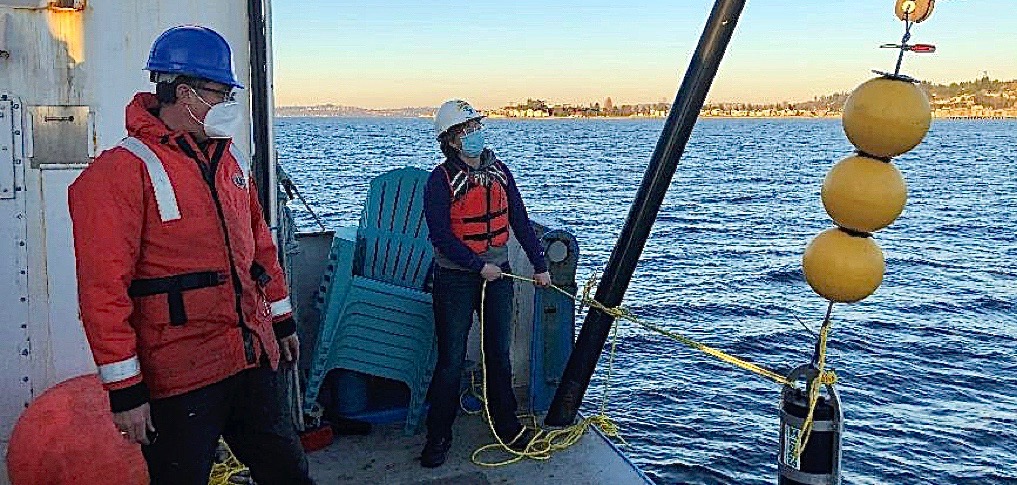
In 2011, sonar operators aboard the ocean-going Research Vessel Thomas G. Thompson inadvertently recorded a surprising natural phenomenon, as the 274-foot ship traversed through Puget Sound while returning to port at the University of Washington. At the time, researchers on board were focused on a host of other projects. They might not have known that […]
December 31, 2021
 ">
"> Ecology, EPA now under the gun to adopt new water quality criteria for aquatic creatures
Long delays in updating state water-quality standards to protect orcas, fish and other aquatic species appear to have finally caught up with the Washington Department of Ecology and its federal counterpart, the Environmental Protection Agency. In a court ruling this week, U.S. District Judge Marsha Pechman of Seattle found that Ecology has “abdicated its duties” […]
December 29, 2021
 ">
"> Job opening: Research scientist/engineer 2
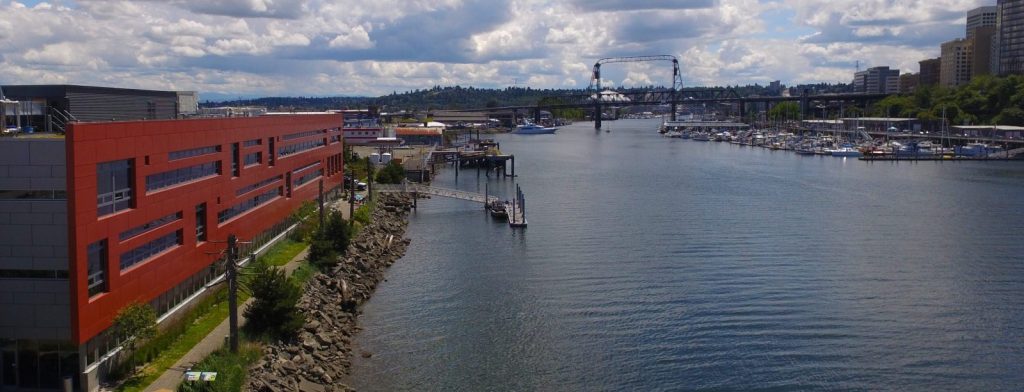
The Puget Sound Institute is seeking a highly motivated researcher with a background in interdisciplinary environmental science, marine/aquatic resource management, or conservation planning and experience connecting science to policy. The position is housed at the Center for Urban Waters in Tacoma, Washington, and is expected to work on campus but may be eligible for partial […]
December 20, 2021
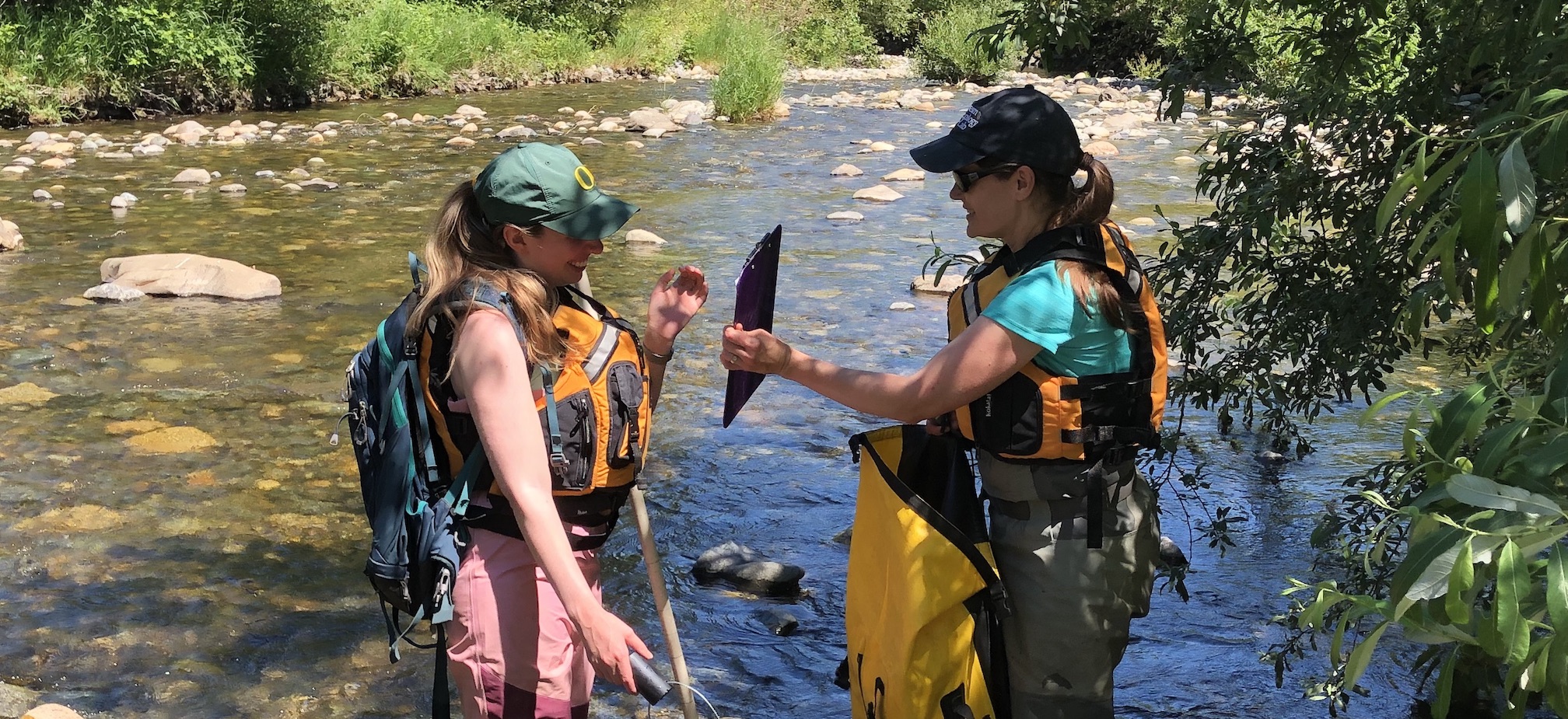 ">
"> Understanding the cold-water needs of salmon and helping them to survive
Salmon need cold water. This general statement is something I’ve been hearing since I first began reporting on these amazing migrating fish years ago. Cold water is a fact of life for salmon, known for their long travels up and down streams, out to saltwater and back. But colder is not always better. Questions about […]
December 17, 2021
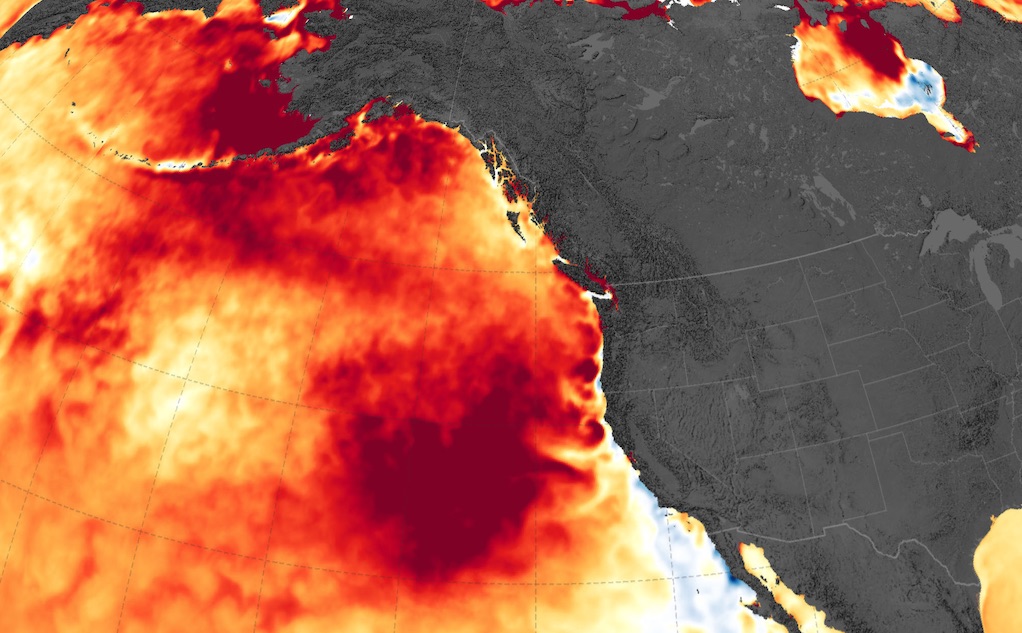 ">
"> Modeling “the blob” in the Salish Sea
In late 2013, a marine heatwave that scientists dubbed “the blob” began warming the ocean throughout the Northeast Pacific, causing temperatures to rise almost 3°C above normal. The disruption severely depressed salmon returns. Whales, sea lions and seabirds starved, and warm water creatures were suddenly being spotted off the coast of Alaska. In Puget Sound, temperatures also jumped, but the effects of the blob […]
December 14, 2021
 ">
"> Science during the year of Covid: The Puget Sound Marine Waters Overview
While Covid restrictions remain a part of everyday life, a lot has eased since the global quarantines of spring 2020. During that time, the coronavirus effectively shut down scientific fieldwork in Puget Sound, leaving huge gaps in data for most facets of the ecosystem. Despite the lockdowns, a new report from the Puget Sound Ecosystem […]
November 19, 2021
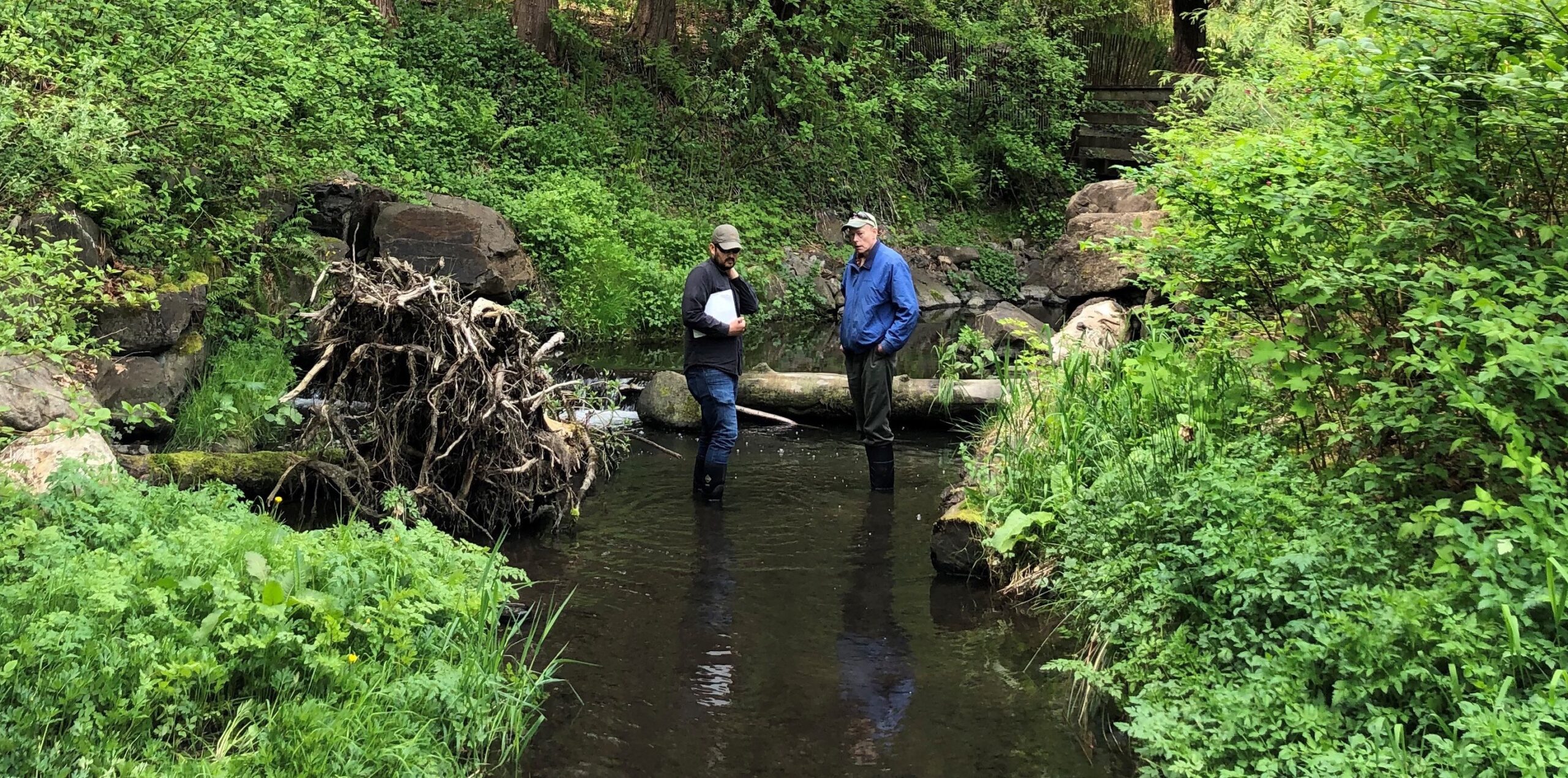 ">
"> Recovery of Puget Sound species could hinge on better understanding of ecosystems
A recent report from the Puget Sound Partnership helps us understand the difficulty of restoring the Puget Sound ecosystem. What caught my attention in the State of the Sound report was that after 20 years of protecting and restoring streams, wetlands, shorelines and estuaries, we have not increased overall fish and wildlife populations, and some […]
November 3, 2021
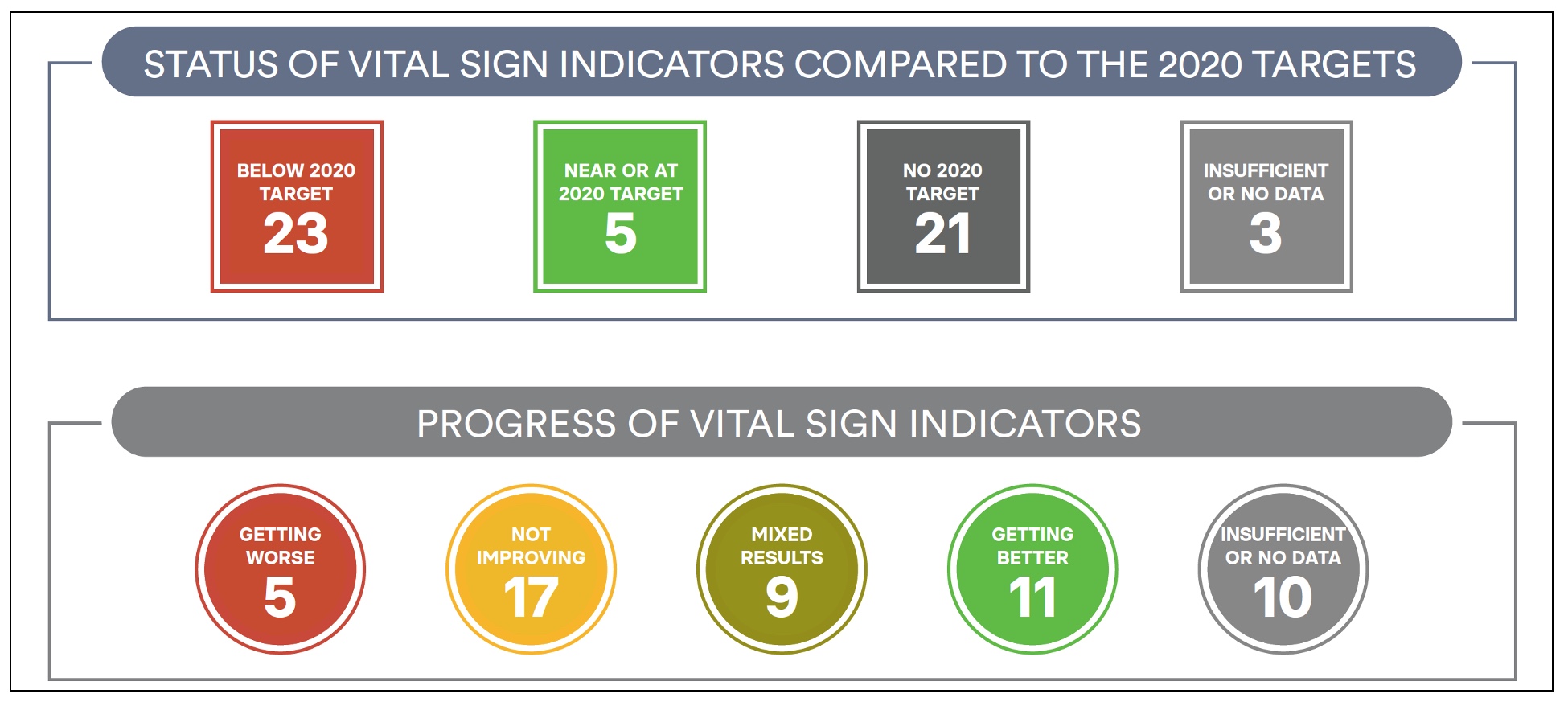 ">
"> Puget Sound fish and wildlife populations fall short of 10-year recovery goals
A final report on the 2020 ecosystem-recovery goals for Puget Sound outlines habitat improvements for some streams, shorelines and wetlands, but it also describes ongoing declines among fish and wildlife populations that use those habitats. The latest State of the Sound report, released this week by the Puget Sound Partnership, summarizes the status of 52 […]
October 28, 2021
 ">
"> Salmon study sparks controversy
Occasionally, this space includes reports and essays from guest writers on the subject of Puget Sound ecosystem recovery. Biologist and author Eric Wagner has this look at the controversy surrounding a recent study of salmon numbers in the Salish Sea. By Eric Wagner A couple of weeks ago, the Canadian Journal of Fisheries and Aquatic […]