 ">
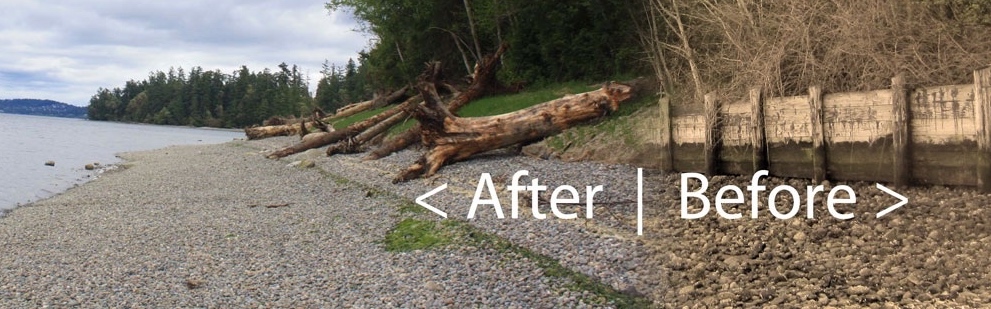
"> As ongoing research confirms the importance of shoreline habitat throughout Puget Sound, experts are looking for new ways to help shoreline property owners pay for bulkhead removals. One emerging idea, which could be established as a formal initiative within a year, consists of a special shoreline loan program that could provide low-interest loans to residential […]
March 4, 2021
 ">
"> Are summer low flows increasing in Puget Sound streams?
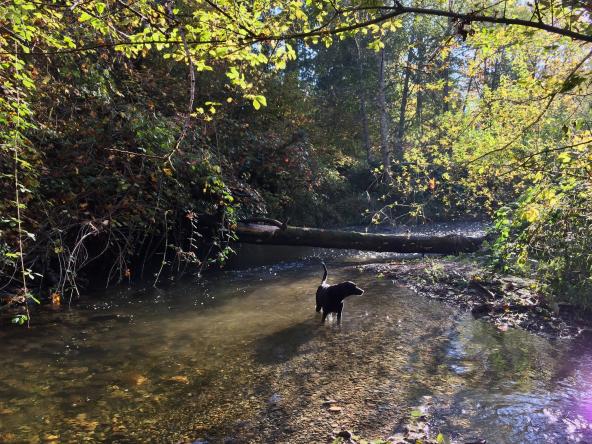
Update: A pdf of slides from the presentation is now available. Adequate stream flows are critical to Puget Sound’s endangered salmon and are one of the state’s ‘Vital Sign’ indicators of ecosystem health. Earlier data suggests that summer stream flows have been on the decline, but new analysis shows that gauging these flows may be […]
March 3, 2021
 ">
"> ‘Voices Unbound’ seminar looks at disenfranchised communities
Like so many things, a person’s understanding of environmental issues can depend on different factors, from economic status, to race and ethnicity, to politics and culture. An upcoming seminar hosted by the Puget Sound Institute on March 22nd at 10:00 AM will look at these perspectives and will talk about some of the ways that […]
March 2, 2021
 ">
"> Salmon experts predict more wild coho but fewer Chinook in Puget Sound this year
Greater numbers of wild coho salmon are expected to return to Puget Sound later this year, according to forecasts released last week, but threatened Puget Sound Chinook stocks are likely to see another decline. The 2021 salmon forecasts were announced Friday during an online video conference with sport and commercial fishers and other interested people […]
February 22, 2021
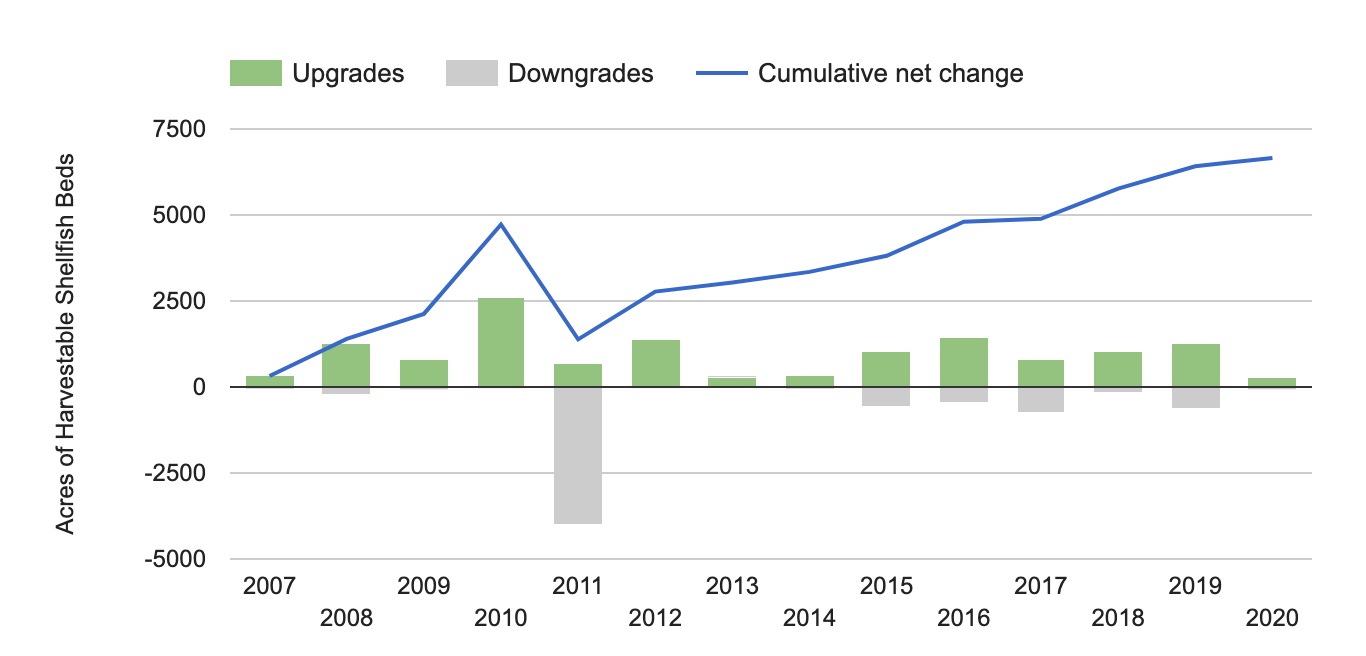 ">
"> Winding down Puget Sound’s 2020 targets, as approved shellfish acreage keeps going up
In 2020, state health authorities upgraded six shellfish-growing areas in various parts of Puget Sound. Now, thanks to improved water quality, the harvest of clams and oysters can take place on these 309 acres for the first time in years, adding to an ongoing gain in harvestable acreage. While efforts to upgrade shellfish growing areas […]
February 12, 2021
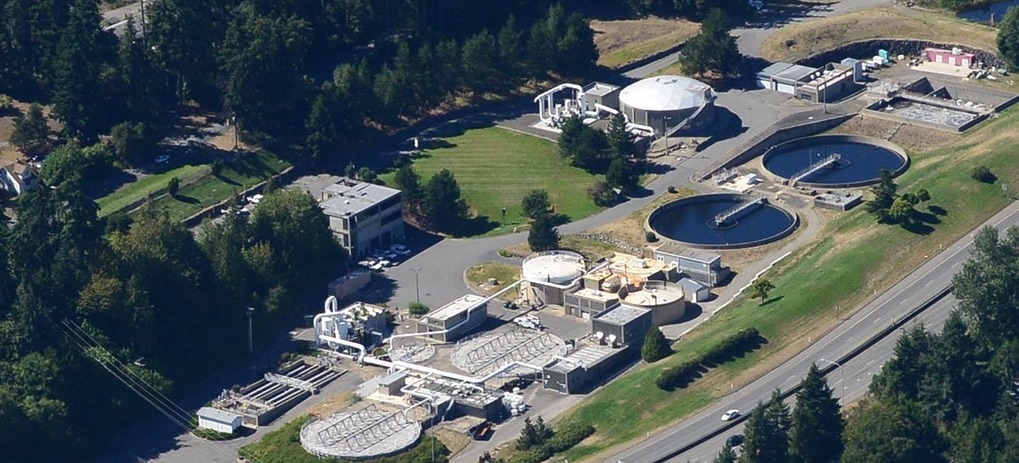 ">
"> New sewage-treatment permit would be a step to curbing nitrogen in Puget Sound
In an effort to stem the flow of excess nitrogen into Puget Sound, Washington Department of Ecology has proposed a new type of permit for some 60 sewage-treatment plants operating throughout the region. The flexible permit, called the Puget Sound Nutrient General Permit, aims to hold nitrogen releases close to or below their current levels […]
February 1, 2021
 ">
"> Settlement agreement tackles water pollution caused by farming practices
As part of a legal settlement, state officials have agreed to develop “best management practices” for agricultural operations, while encouraging Washington farmers to take actions to improve water quality in streams and bays. The agreement, which includes provisions for stream buffers, was approved by the Washington Department of Ecology and the federal Environmental Protection Agency. […]
January 21, 2021
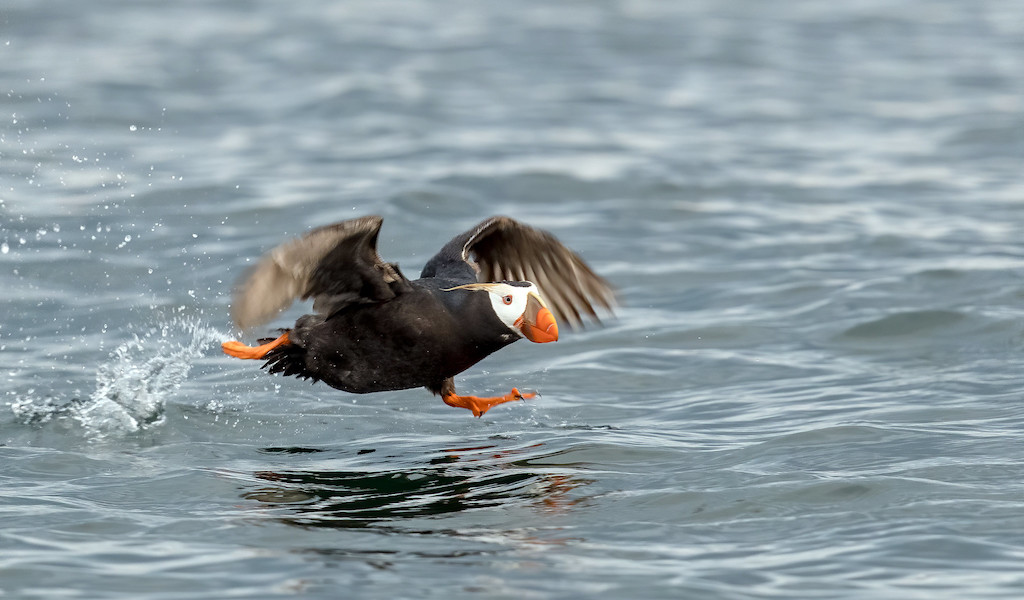 ">
"> Will Puget Sound lose the tufted puffin?
Occasionally, this space includes reports and essays from guest writers on the subject of Puget Sound ecosystem recovery. Biologist and author Eric Wagner has this look at the federal government’s recent decision to decline special protection for the tufted puffin under the Endangered Species Act. While the U.S. Fish and Wildlife Service says that the […]
January 20, 2021
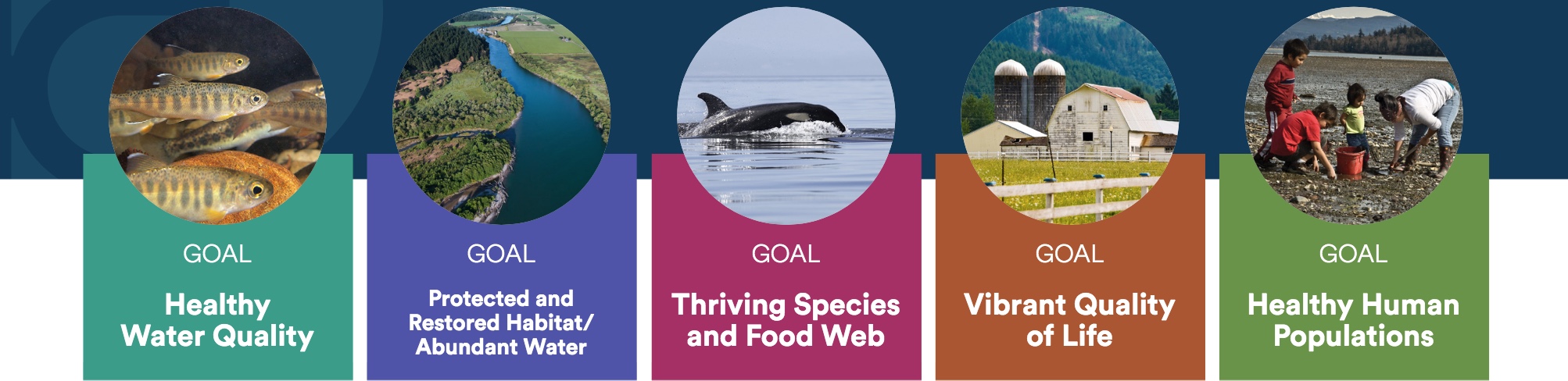 ">
"> Puget Sound Partnership proposing ‘Desired Outcomes’ for ongoing ecosystem recovery
Puget Sound Action Agenda, often referred to as Puget Sound Partnership’s blueprint for ecological recovery, continues to evolve. The next Action Agenda — scheduled to go into effect a year from now — will incorporate an expanded long-range vision for Puget Sound, complete with broad-based strategies, not just near-term actions. “Desired Outcomes,” the first major […]
January 14, 2021
 ">
"> Repairs of bulkheads, docks and other structures now involve habitat assessment
In a major policy shift by federal authorities, waterfront maintenance and reconstruction projects are undergoing increased scrutiny — not only for their environmental impacts during and after construction but for effects that ripple through time. The change, imposed by NOAA Fisheries to protect threatened and endangered species, requires compensation for environmental damage calculated over the […]